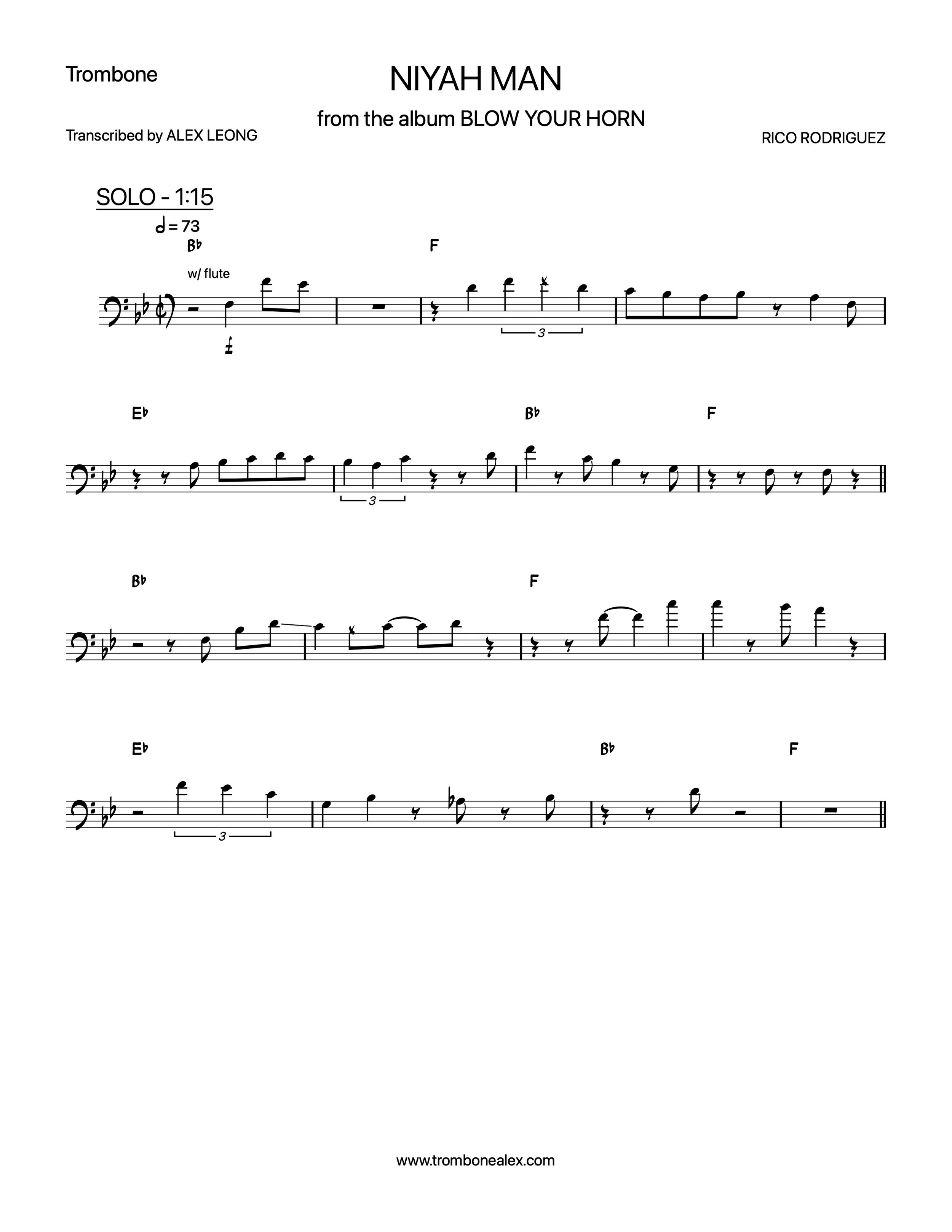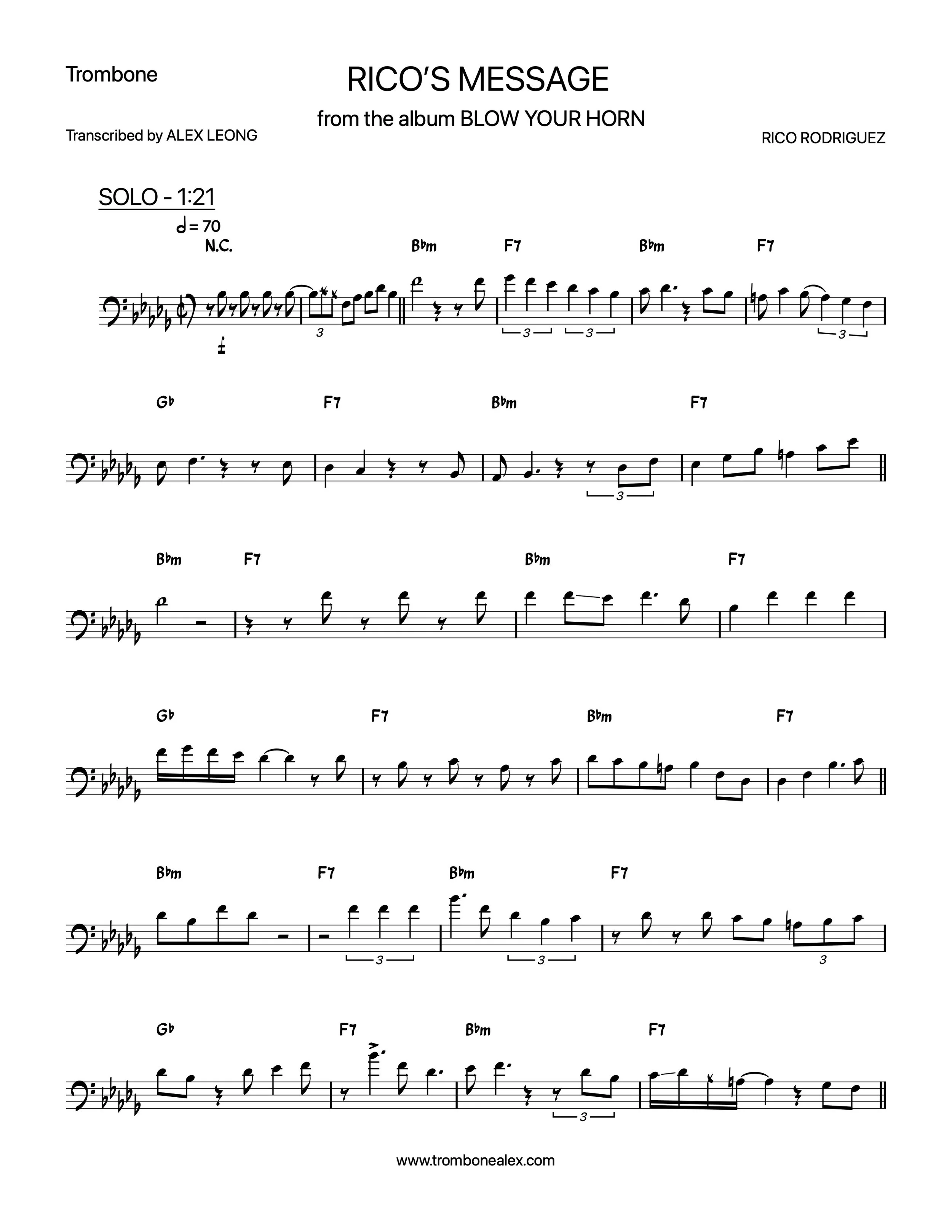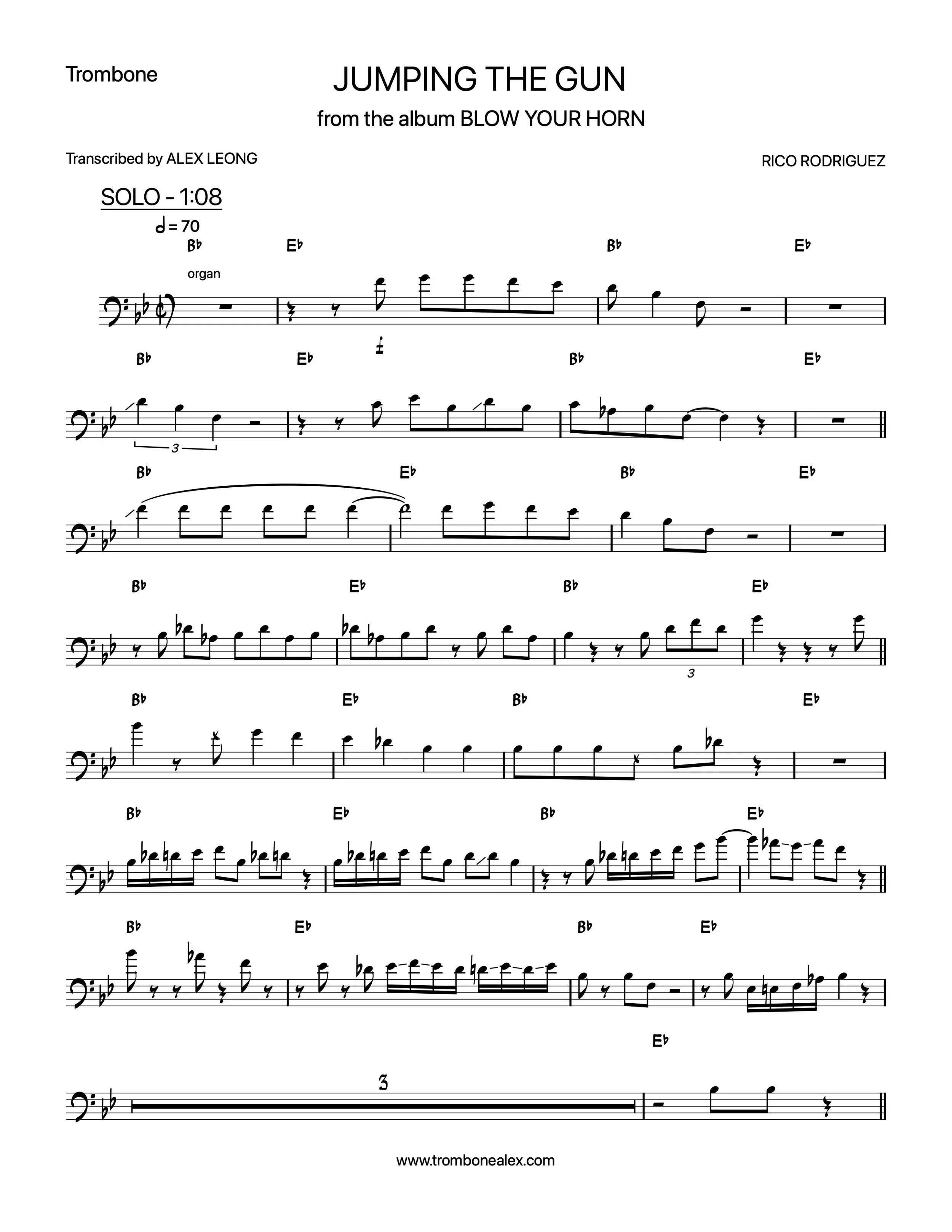
On an album intended to showcase the reggae music of trombonist Rico Rodriguez, the song "Jumping The Gun" is the only track that credits Rodriguez as its composer.
Read MoreOn an album intended to showcase the reggae music of trombonist Rico Rodriguez, the song "Jumping The Gun" is the only track that credits Rodriguez as its composer.
Read MoreIt is unclear exactly how Rico Rodriguez chose to record their song, but it would still be another decade before Johnny Osbourne and Winston Riley would invent their separate signatures of dancehall reggae music.
Read MoreDandy Livingstone’s success with reggae music in the U.K. led him to Trojan Records where he produced a series of hits and vanity projects, including the 1969 album Blow Your Horn which featured some of Rico Rodriguez’s original compositions.
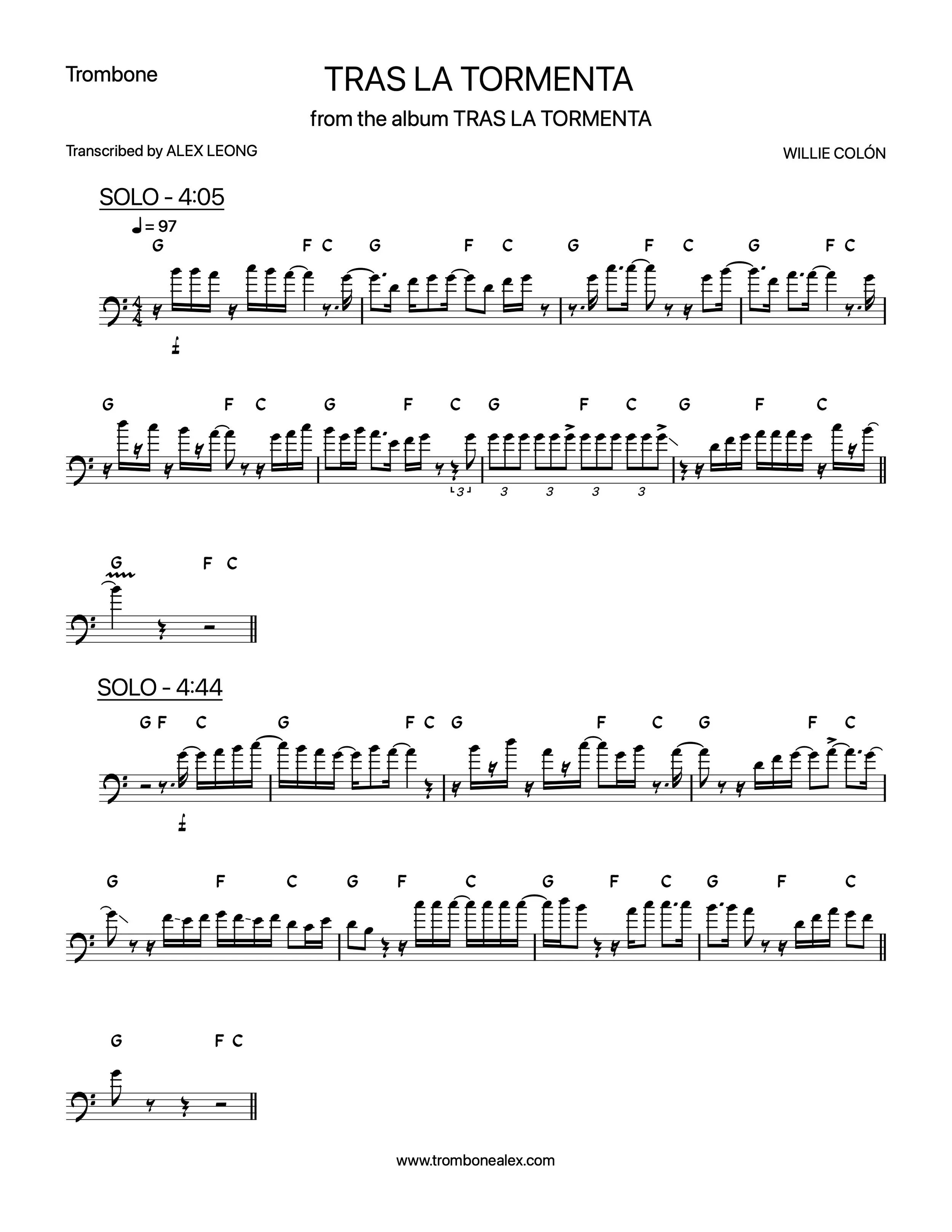
Read MoreTras la Tormenta became both a commercial and critical success in 1995, earning Platinum-certified sales and Grammy nominations.
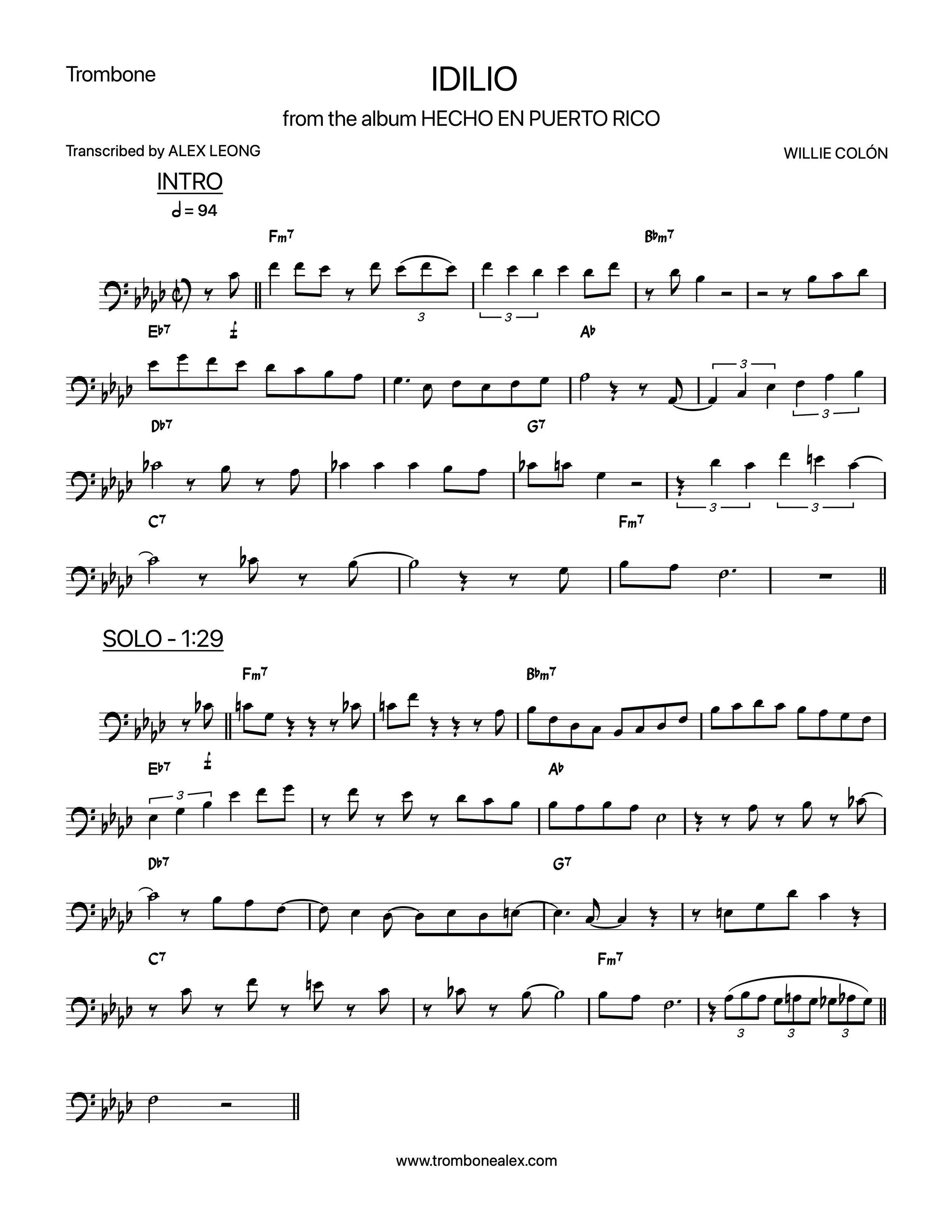
Read More“Idilo” was originally composed by the prolific Puerto Rican guitarist “Titi” Amadeo, a legendary figure around New York City and throughout the Spanish-speaking world by way of radio broadcasts of his original recordings.
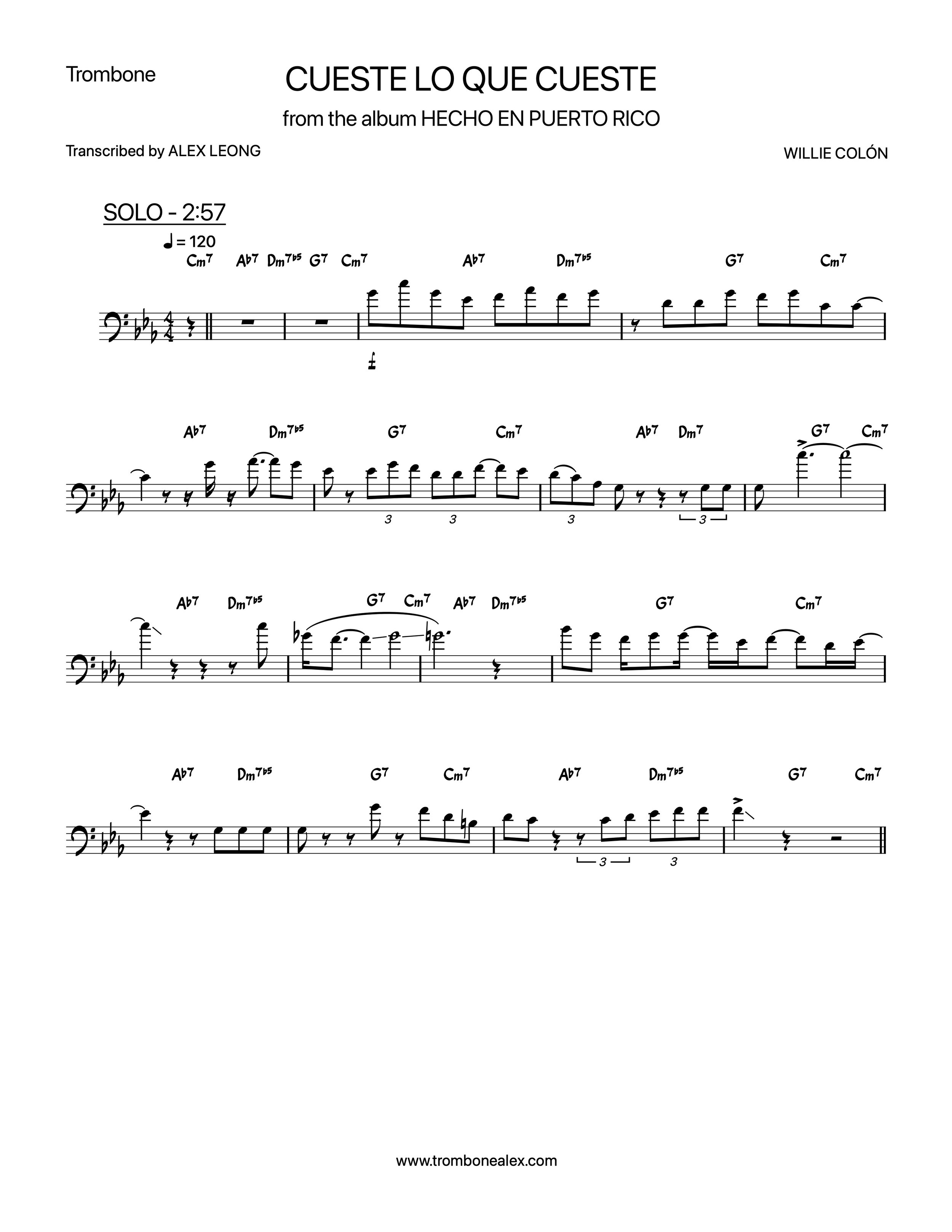
Read MoreThe ballad “Cueste Lo Que Cueste” was written by Puerto Rican poet Janette Becerra and arranged by pianist Isidro Infante.
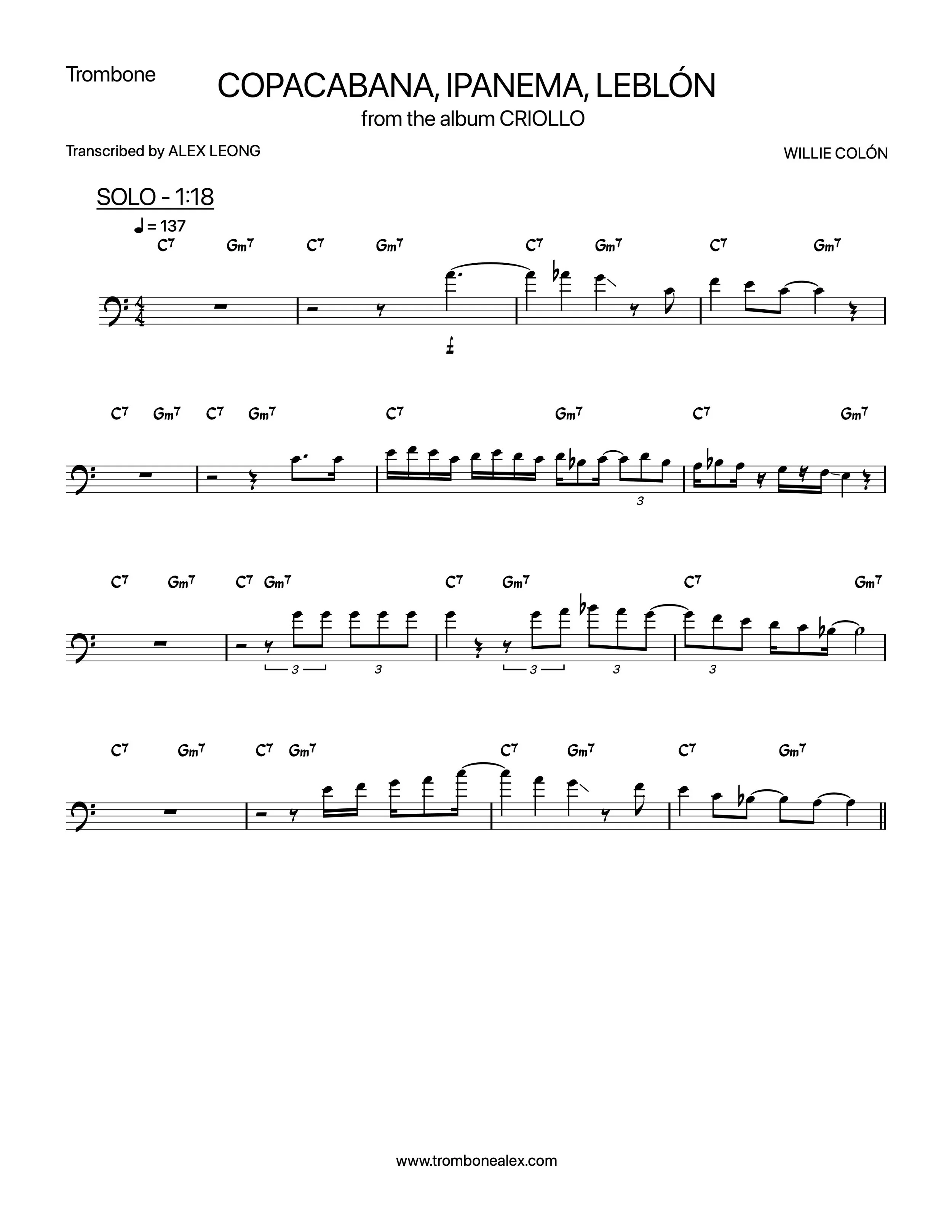
Read MoreBy 1984, Willie Colón already had over a decade of steady success with Fania Records. As a product of the Puerto Rican barrios of New York City, the American trombonist’s success afforded him the luxury and social mobility to fly south to absorb the pleasures of Caribbean lifestyle.
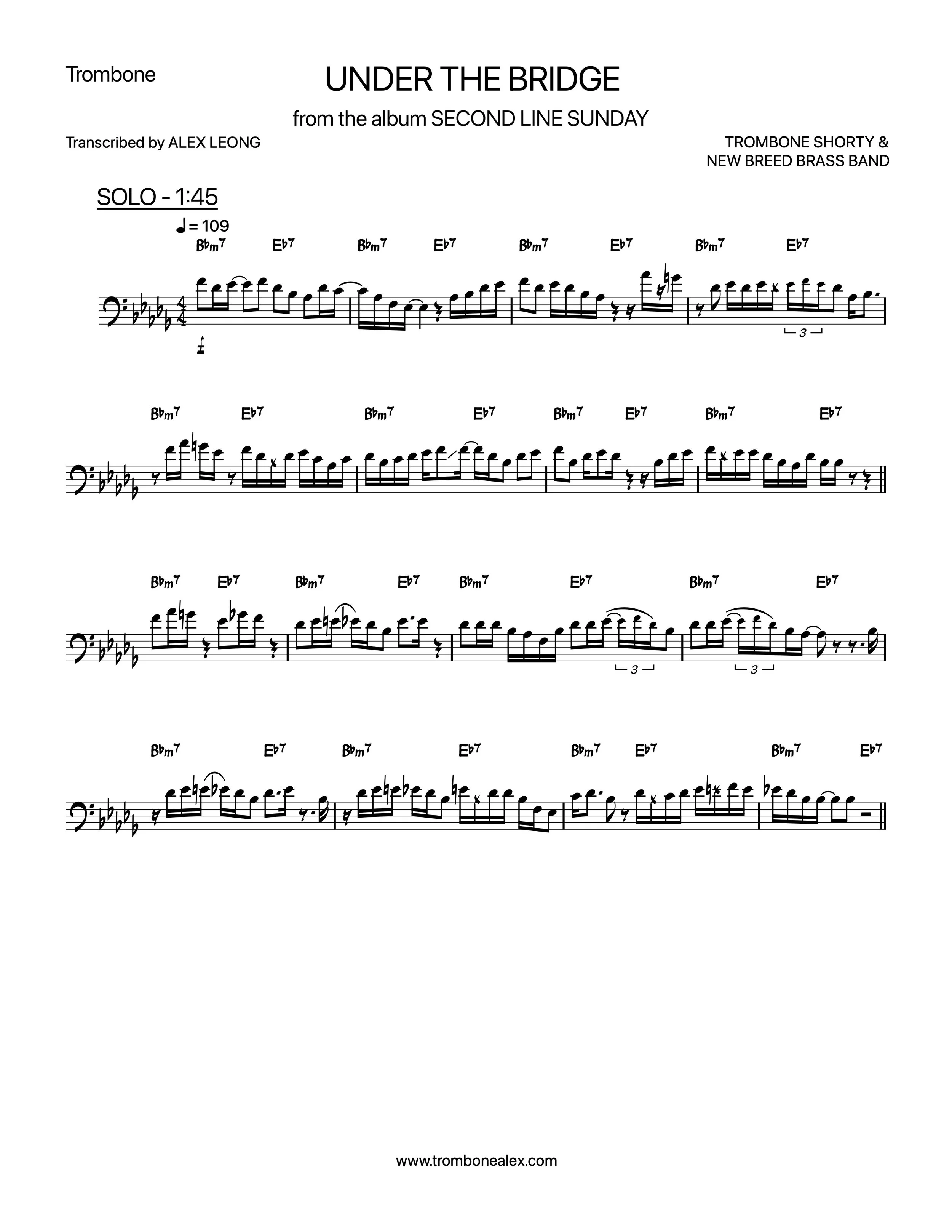
Read MoreWhile the implementation of the U.S. interstate highway system may have been designed to segment historic Black neighborhoods as a means of bypassing urban development, the symbolism of I-10 as a means of survival in the wake of Hurricane Katrina for thousands of American citizens, flooded from their homes, became a call for help that could no longer be ignored.
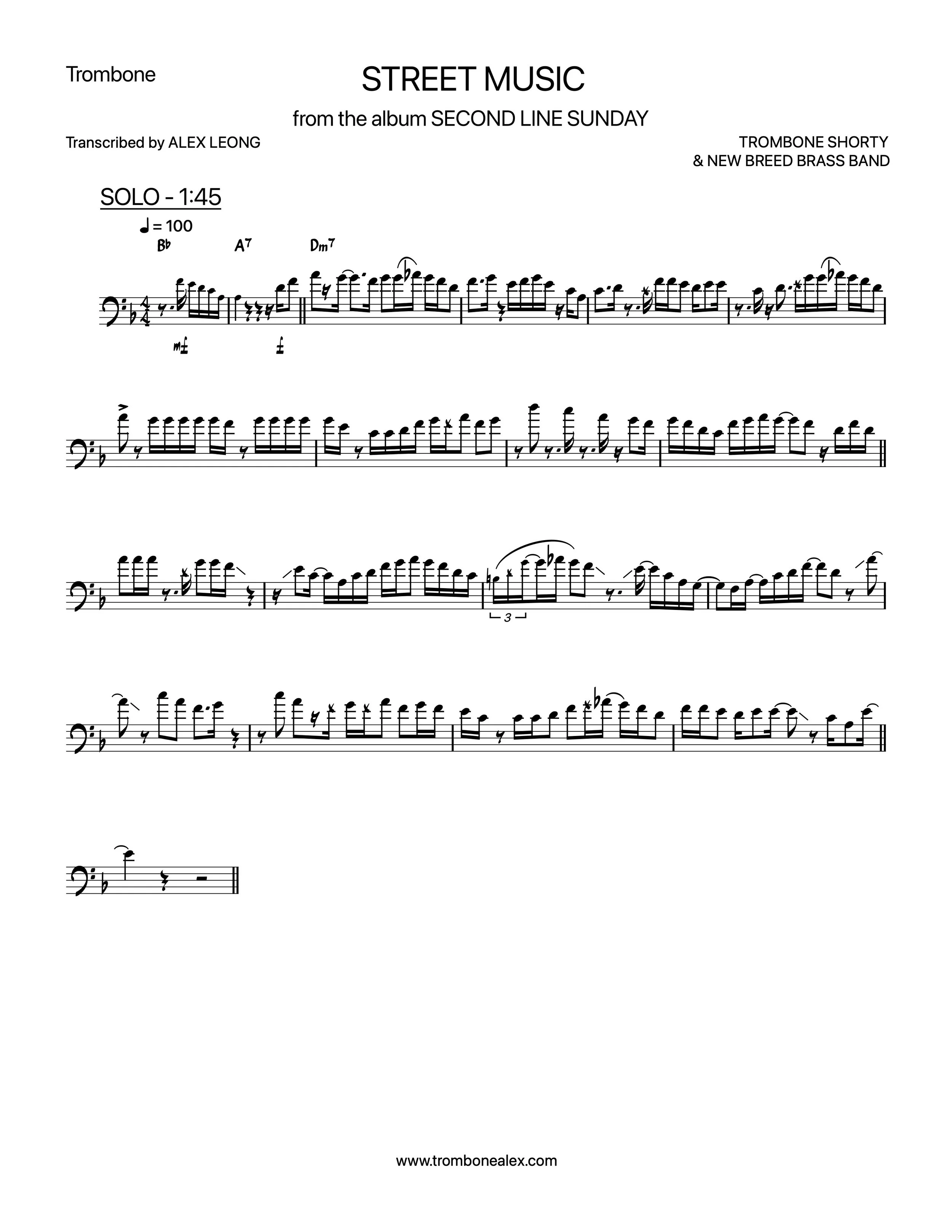
Read MoreBeginning with the Dirty Dozen Brass Band, the music of second line parades shifted away from the traditional gospel hymns and toward the party sounds of New Orleans r&b and modern funk that were more popular in the city streets.
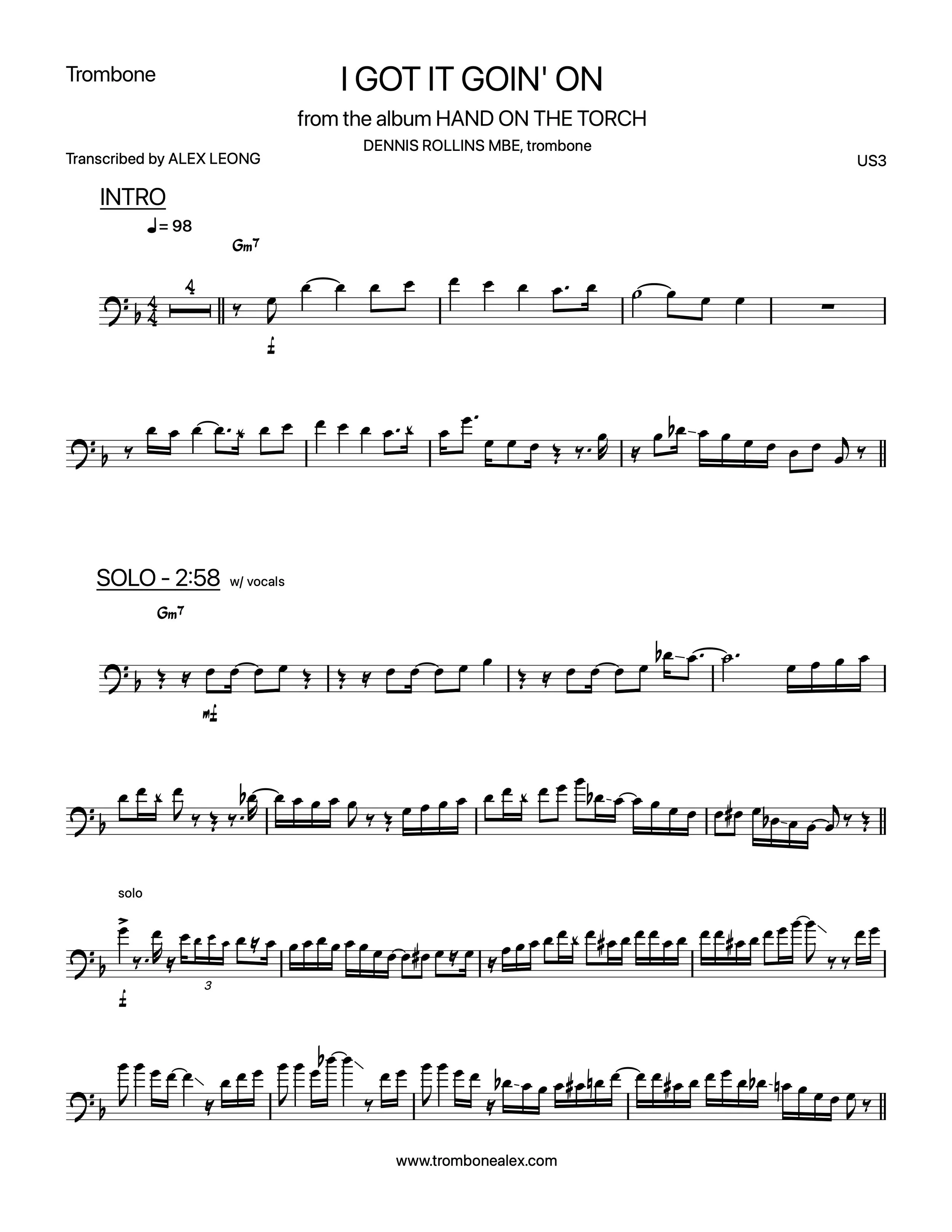
Read MoreFrom the 1993 album Hand on the Torch by Us3:
Read MoreThe 1972 Apollo Theater performances were recorded, however the plans for an album were shelved likely due to Mr. Brown’s endorsements during that year’s presidential election, stinting the album sales of his re-packaged material.
Read MoreThe early recording echoes as a reflection of Deckard’s longing nostalgia as he faces the challenges ahead, to sleuth out the artificial intelligence that walks among the bustling city sidewalks of a derelict society.
Read MoreFrom the 1976 album Music of My Mind by Stevie Wonder:
Read MoreFrom the 1985 album Fishbone by Fishbone:
Read MoreFrom the 1995 album The Return of The Aquabats by The Aquabats:
Read MoreFrom the 2012 album Antibalas by Antibalas:
Read MoreFrom the 2012 album Push and Shove by No Doubt:
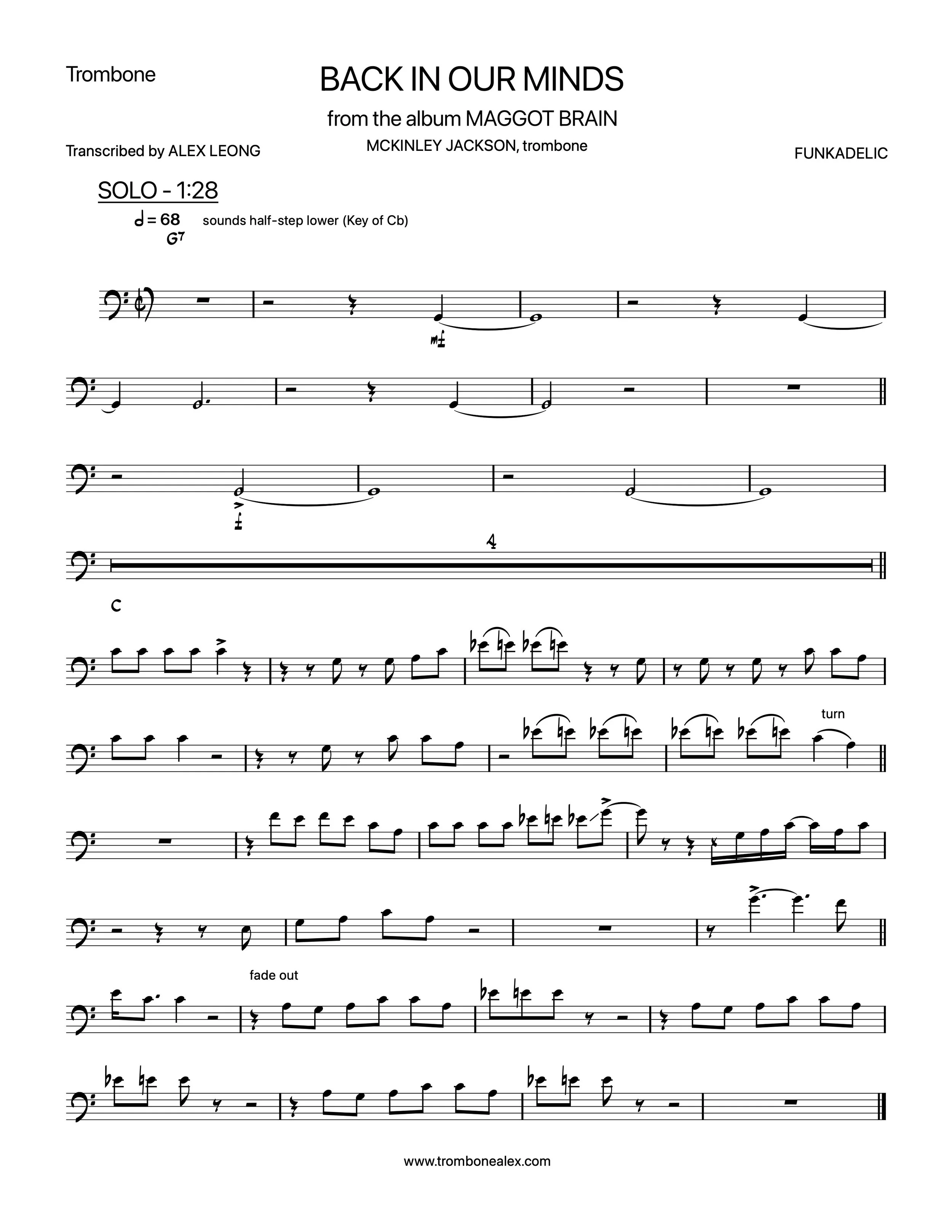
Read MoreWhen Funkadelic wanted to enhance its 1971 recording of “Fuzzy” Haskin’s song “Back In Our Minds,” the obvious choice was Detroit trombonist McKinely Jackson.
Read MoreFrom the 1996 album Travelling Without Moving by Jamiroquai:
Read MoreJon Batiste’s “BOY HOOD” features two other New Orleans globetrotters: Trombone Shorty - a NOCCA classmate whose band, Orleans Avenue, included Batiste on its 2005 album, Orleans & Claiborne - and Grammy award-winning gospel pianist PJ Morton.
Read More