New Orleans guitarist Earl King wore many masks. Born Earl Silas Johnson IV, he established himself as a blues king in the 1950s by faithfully imitating his musical idols, even presenting himself as Guitar Slim after the hitmaker was hospitalized and unable to complete his 1954 tour.
Read More“Good Company,” covers a lot of musical ground within its exactly-three-minutes runtime and features a trombone solo that has been reduced to a flashy four bars.
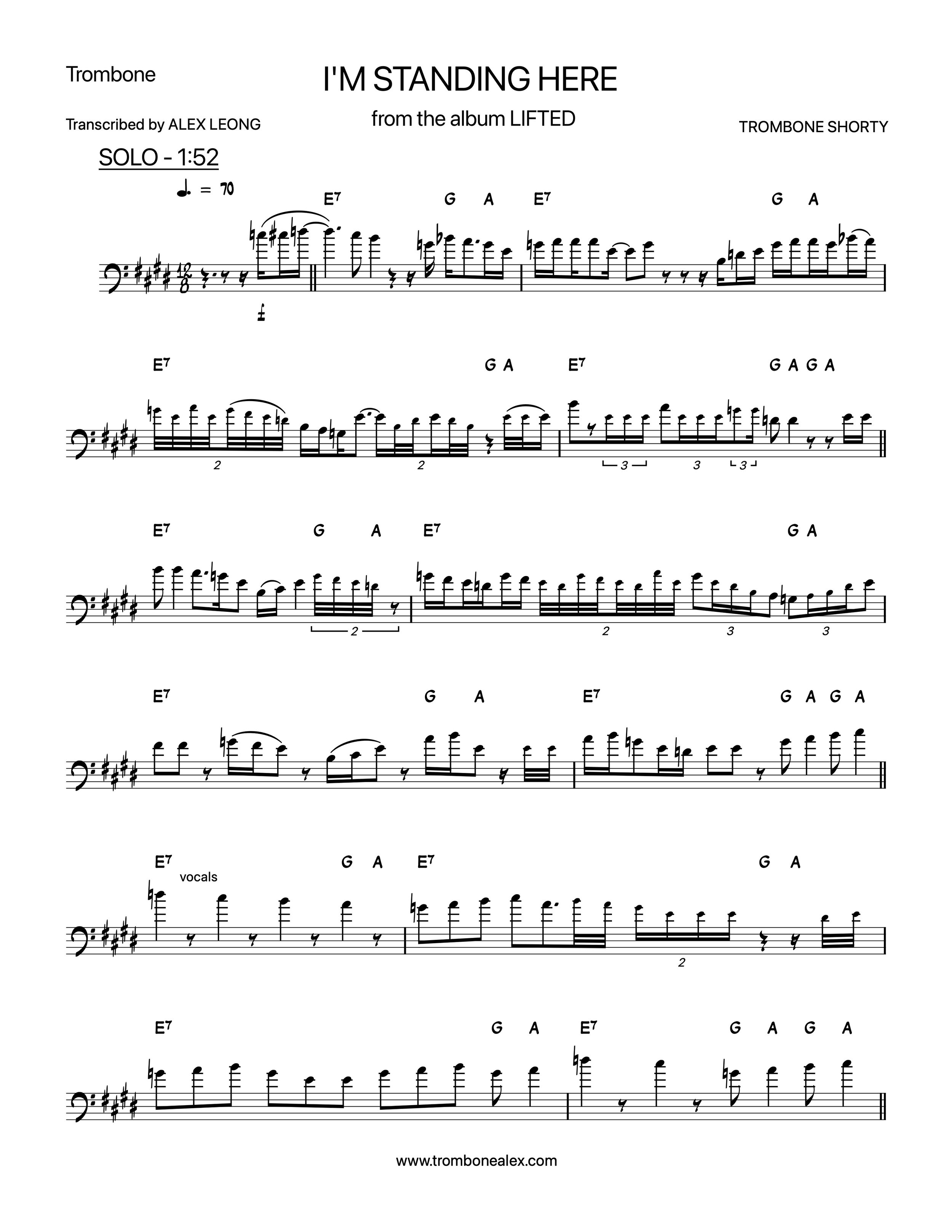
Read MoreIn what might be the most underrated track from the album Lifted, “Might Not Make It Home” captures the sound of Trombone Shorty as a fully-developed artist, free of any genre-defining labels, launched into a stratosphere somewhere between Earth, Wind & Fire and Parliament/Funkadelic. And yet, Trombone Shorty’s musical roots remain firmly planted in New Orleans.
Read MoreTrombone Shorty’s fifth major-label album, Lifted, was officially released on the opening day of the 2022 New Orleans Jazz & Heritage Festival. His performance brought the two-weekend festival to a close in the early evening of Mothers Day - a fitting tribute to the album’s cover photo of his late mother, Lois Nelson Andrews, holding up the shorty musician at a second-line parade.
Read MoreModern brass bands like New Breed, Da Truth, Big 6, and Young Fellaz have thrived by utilizing social media to share New Orleans traditions with everybody in the world.
Read MoreThe homegrown talent of the Austin, Texas blues scene, guitarist Gary Clark Jr. established himself as a twenty-first century bluesman at the infamous Antone’s on Sixth Street, but it was his appearance at the 2010 Crossroads Guitar Festival where the rest of the world learned his name.
Read MoreTrombone Shorty’s new album, Lifted, is the most accurate document of the sound of his band, Orleans Avenue, since its 2005 debut album on Treme Records.
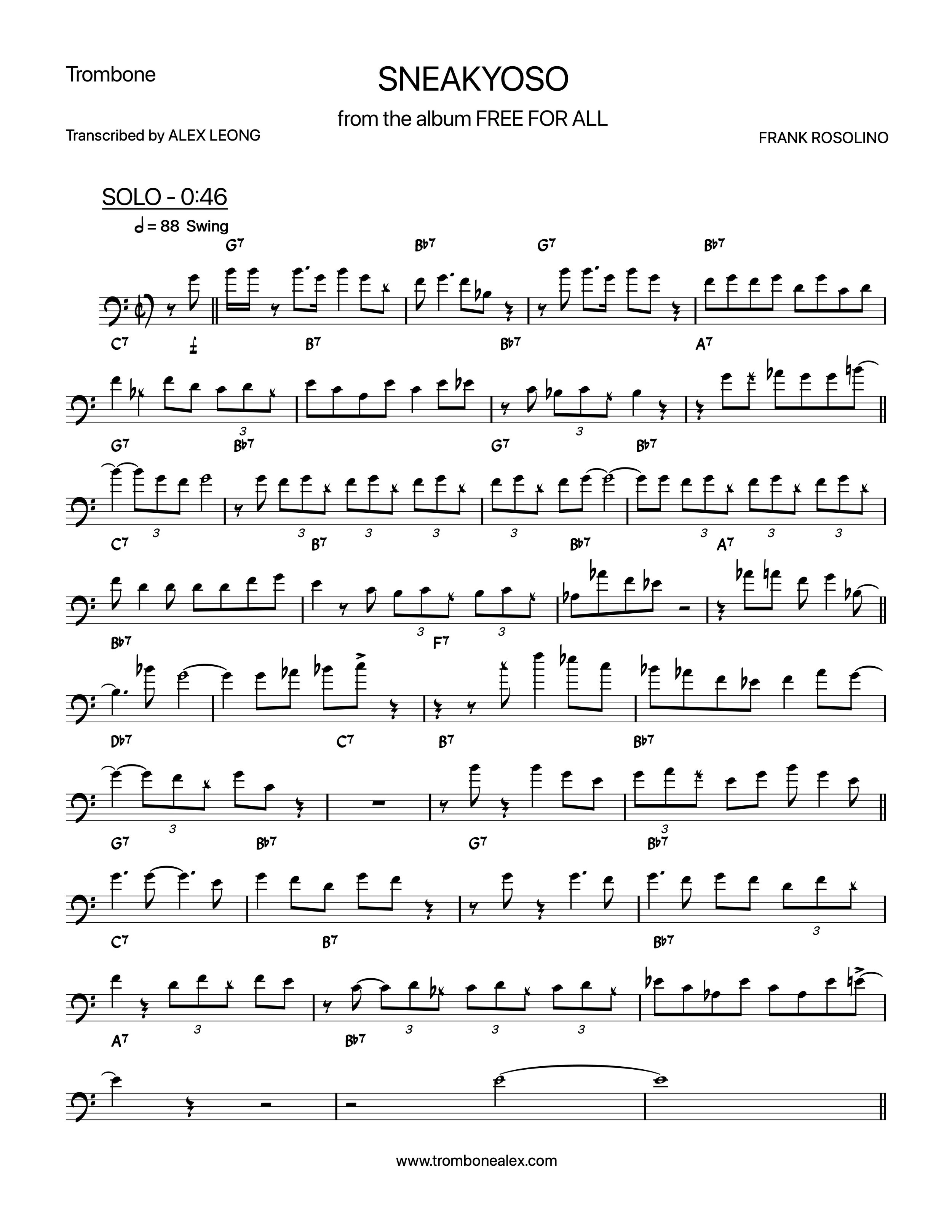
Read More“Sneakyoso” captures the complexities of bebop as developed by Coltrane and Monk in the late-1950s, such as the use of whole-tone melodies, altered chords, tritone substitutions, minor-third relations, and parallel harmonic motion as an evolution of the blues.
Read MoreHis early hit songs, such as “It Had to Be You” and “You’re in the Army Now,” established Isham Jones as one of the most popular bandleaders prior to his 1936 composition of “There Is No Greater Love,” a tune that shares similarities with traditional New Orleans and Chicago-style jazz.
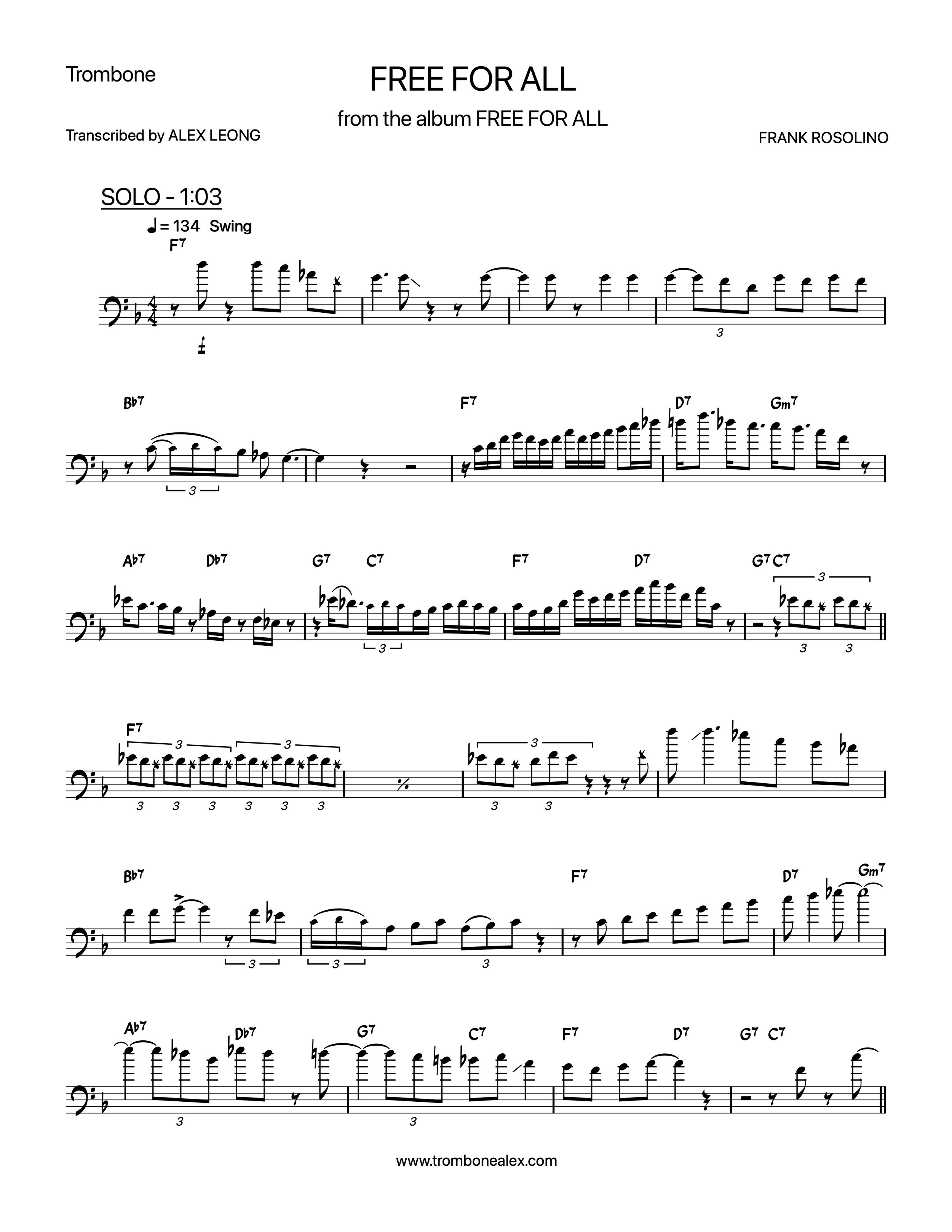
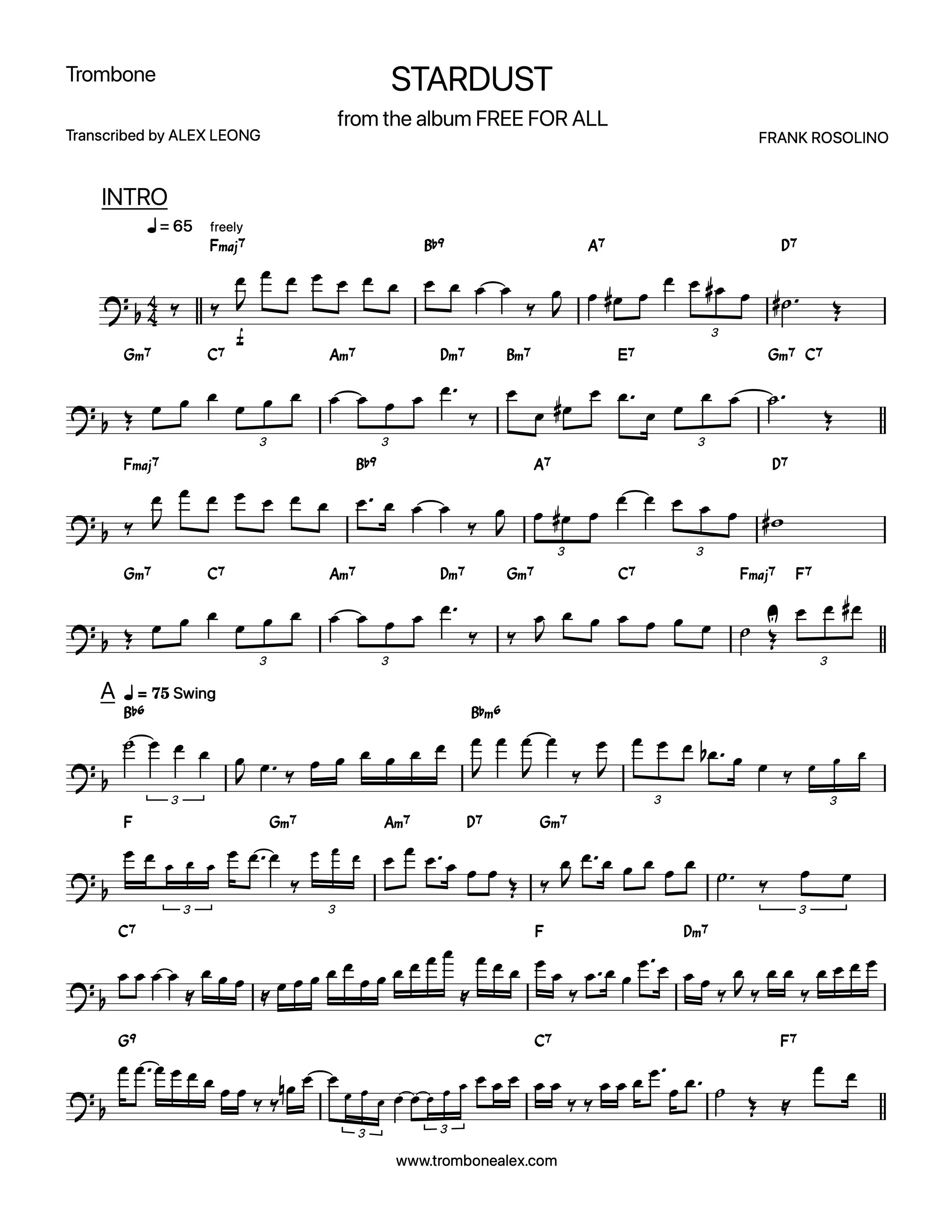
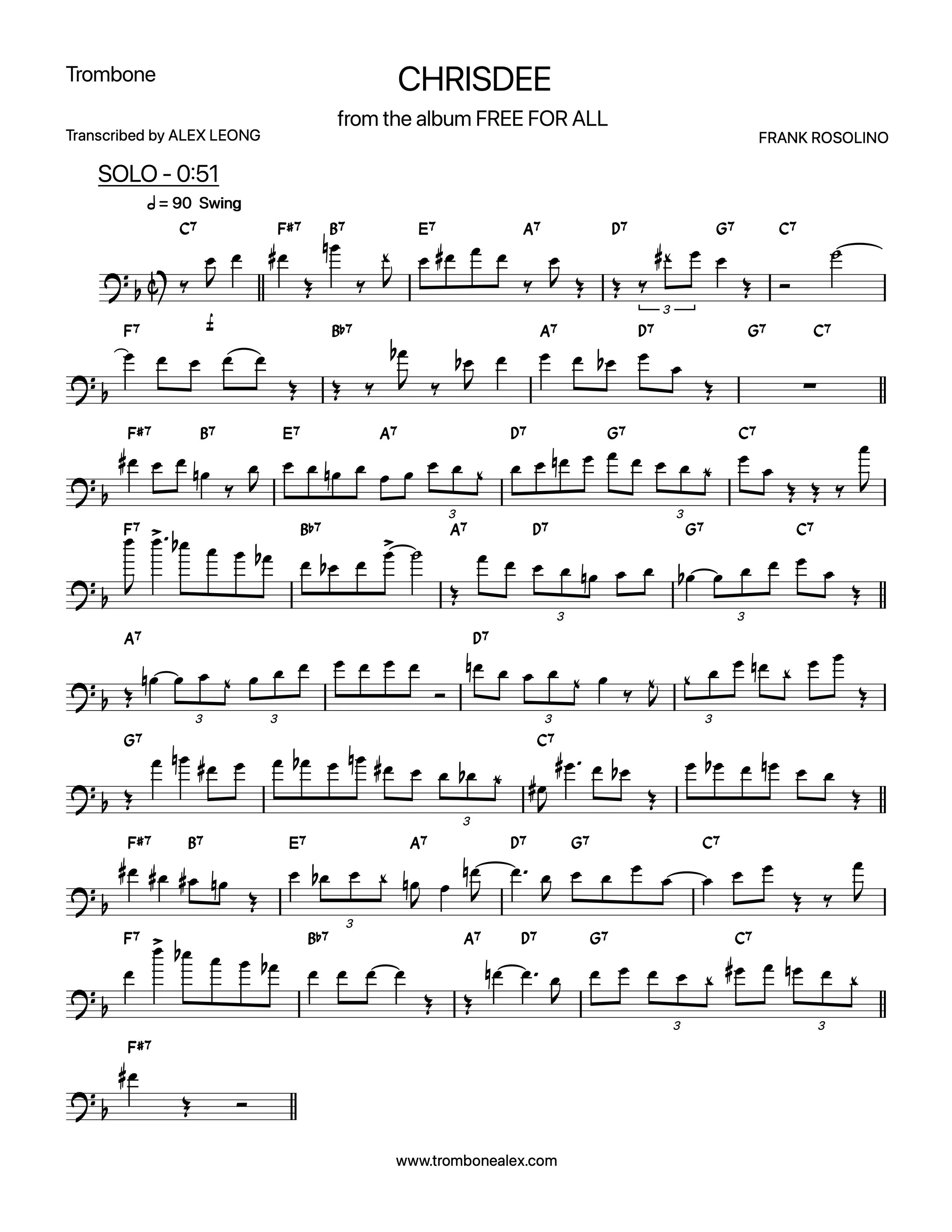
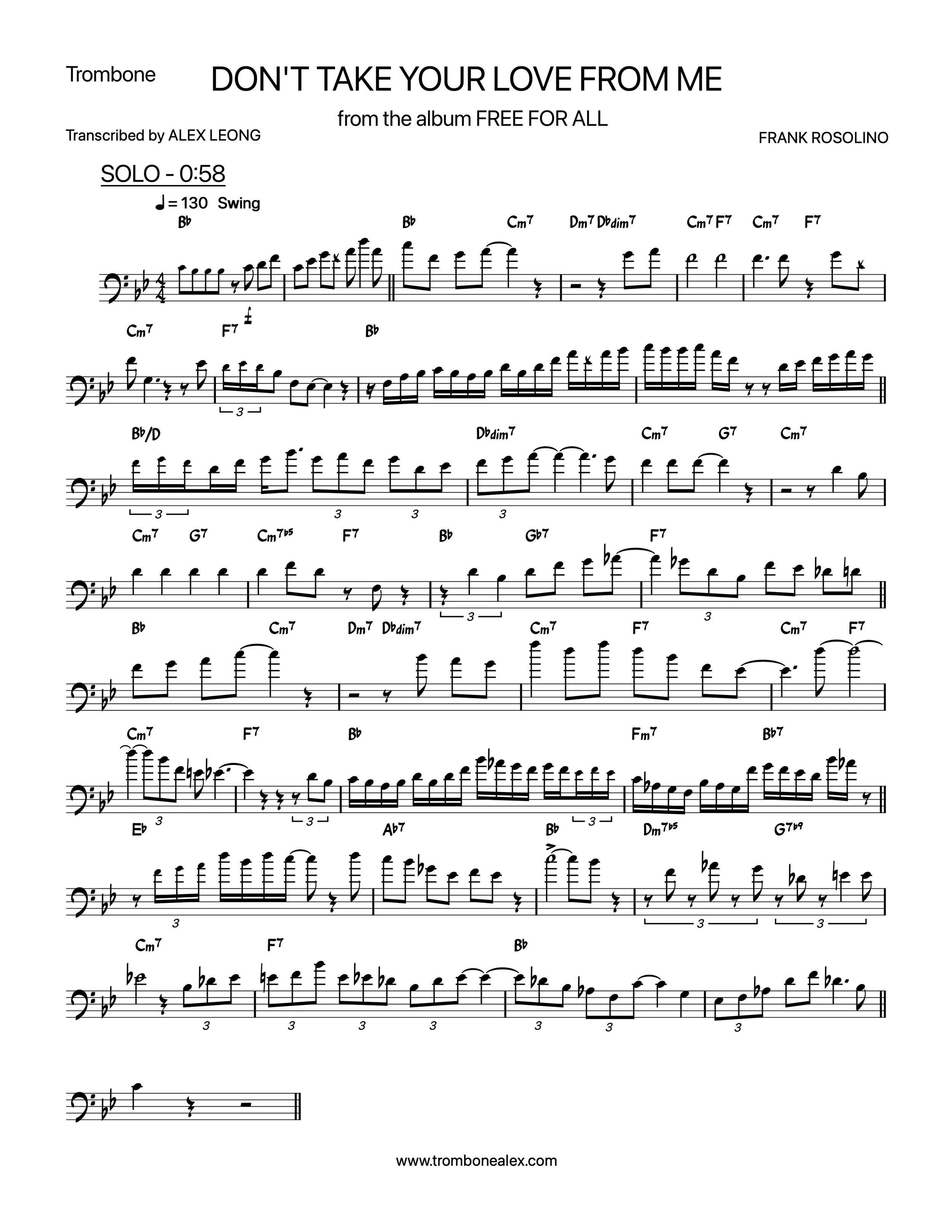
Read MoreUnlike the musicians who fought for Civil Rights and pursued the musical liberation of bebop, Rosolino’s endeavors took him westward toward the showbiz lights of Las Vegas and Hollywood where his virtuosity, comedic timing, and mischievous charisma provided him the opportunity to entertain audiences around the world on the stage and screen.
Read MoreWhile The Great Migration of American workers toward northern industrial cities may have spread the popularity of jazz music throughout the States, it was through the efforts of pianist and lawyer Hoagy Carmichael, along with the music publishing family of Irving Mills, that transformed an original Black artform into a household commodity.
Read MoreDrummer Stan Levey was immersed in the New York City bebop scene throughout the 1940s and became an integral part of its westward expansion toward the Lighthouse Cafe in Southern California. Along with the blustering rhythms of the east coast, he brought with him the harmonic depth that elevated the blues as an intellectual art form.
Read MoreHenry Nemo was no nobody - quite the contrary. An aspiring entertainer and trendsetter, Nemo found himself among the bustling jazz scene of New York City during the late-1930s, socializing and collaborating with some of jazz’s greats, where he was loosely associated with the development of jive talk and the hipster traits celebrated by the Beat Generation. Henry Nemo was the embodiment of a living history.
Read MoreIn addition to performing, percussionist & pianist Victor Feldman composed tunes including “Twilight” and the Miles Davis standard “Seven Steps To Heaven,” as well as music for film and television.
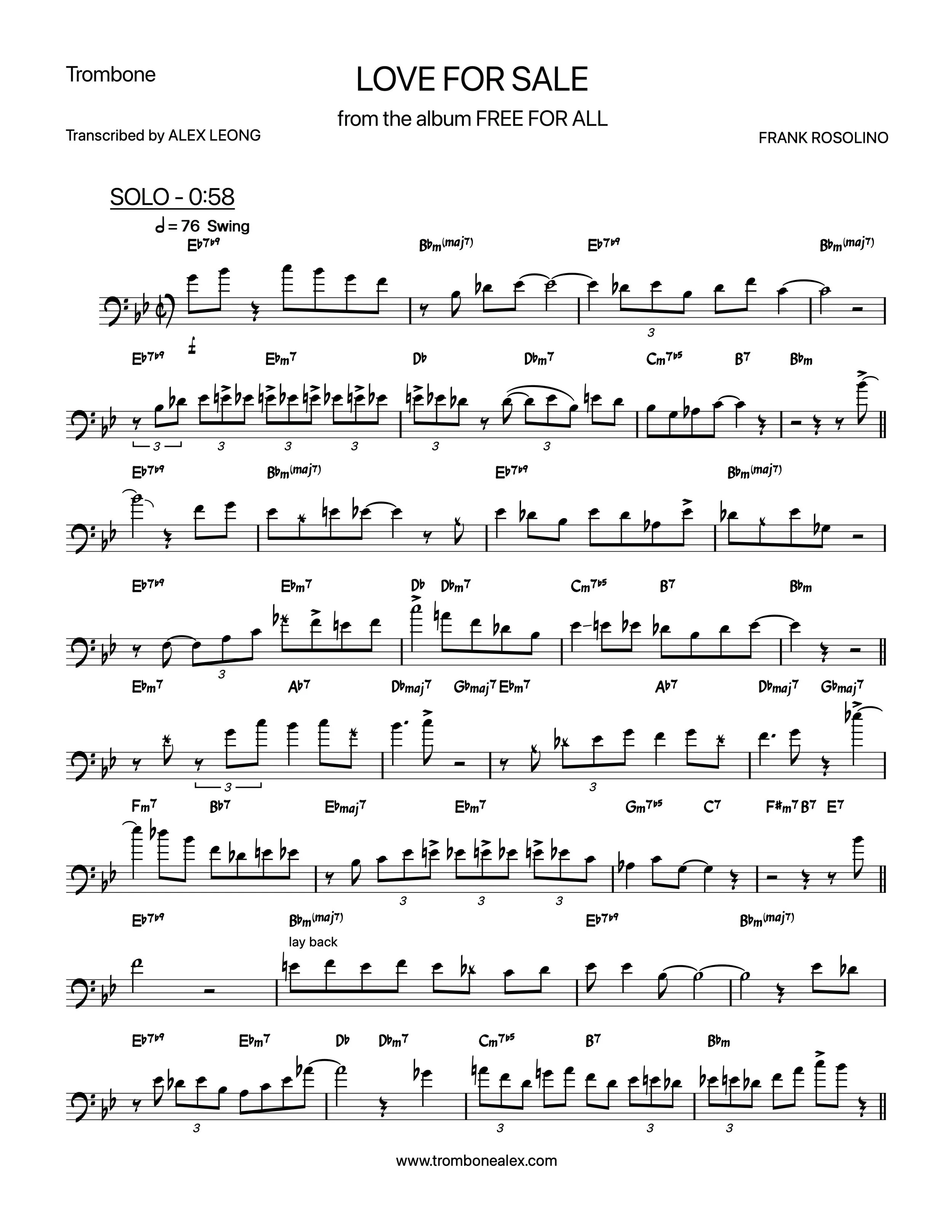
Read MoreRosolino’s version of “Love For Sale” was ahead of the West Coast trend. By utilizing global dance rhythms in jazz, Rosolino’s charismatic brand of hard bop provided the Hollywood lot with some much-needed depth and perspective.
Read More“When Lights Are Low” was one of the few tunes recorded by Miles Davis and his quartet in 1953 that received proper songwriting credit, attributed to New Orleans pianist Spencer Williams and arranger Benny Carter.
Read MoreJ.J. Johnson’s admiration for Miles Davis was present throughout the album We’ll Be Together Again, recorded with guitarist Joe Pass, which features this version of “Solar” alongside a version of “Nature Boy” in similar fashion to the trumpeter’s own landmark arrangement.
Read MoreJ.J. Johnson furthered the pursuit of melodic thinking by eliminating Joe Pass’ guitar accompaniment and modeling his trombone playing after the cool styling of Miles Davis.
Read MoreSonny Stitt is credited as the composer of “Bud’s Blues” on their 1951 collaboration, but it is unclear as to who actually came up with the tune. Perhaps it was Stitt’s intent to simply pay tribute to Bud Powell’s struggles outside of the music scene, which included incarceration, institutionalization, and addiction - the pillars of systemic racism established by white supremacy.
Read MoreOriginally written in 1927 by George & Ira Gershwin for the musical Funny Face, the song “How Long Has This Been Going On?” had been cut and repurposed the following year for the show Rosalie before also being cut from its film adaptation.
Read More