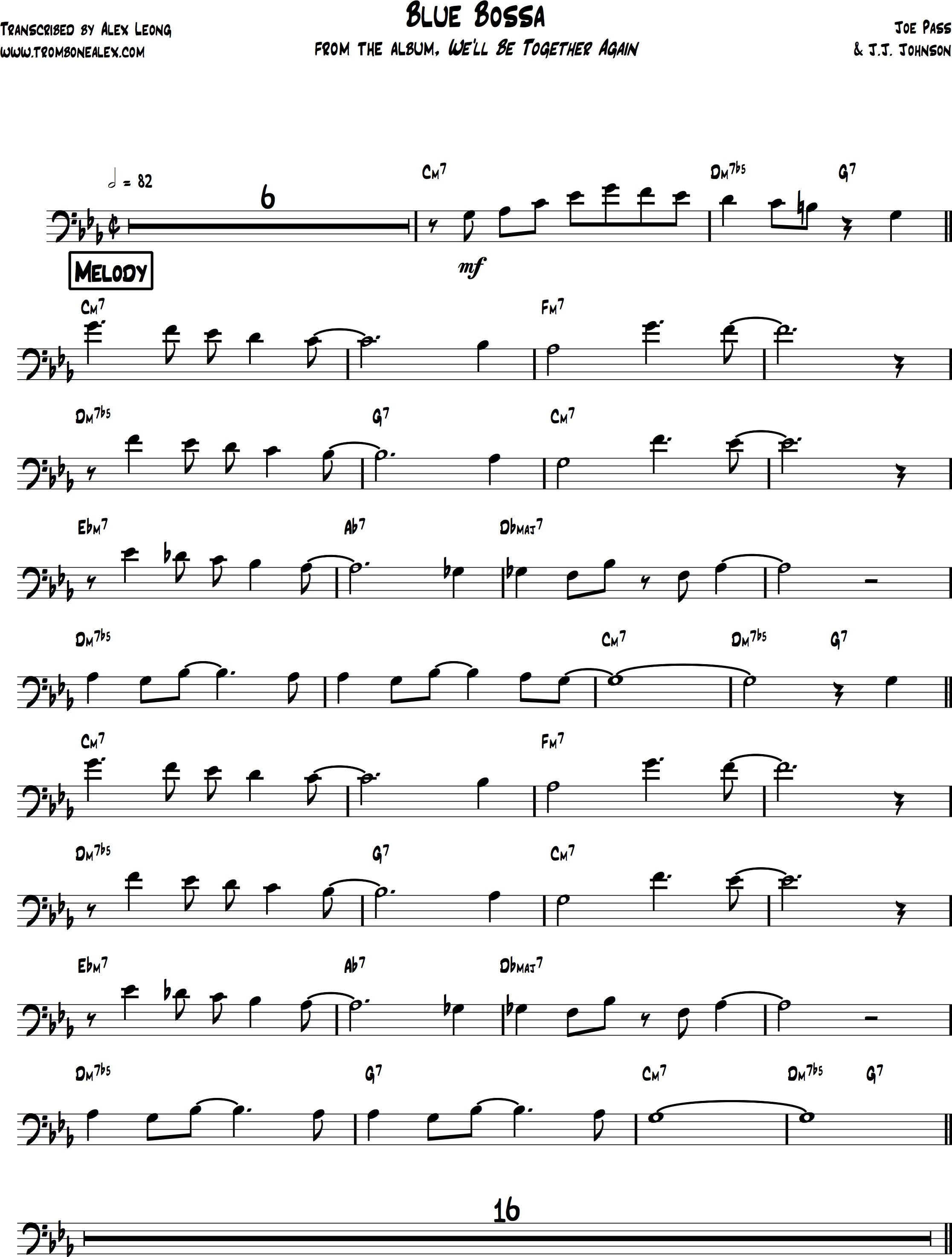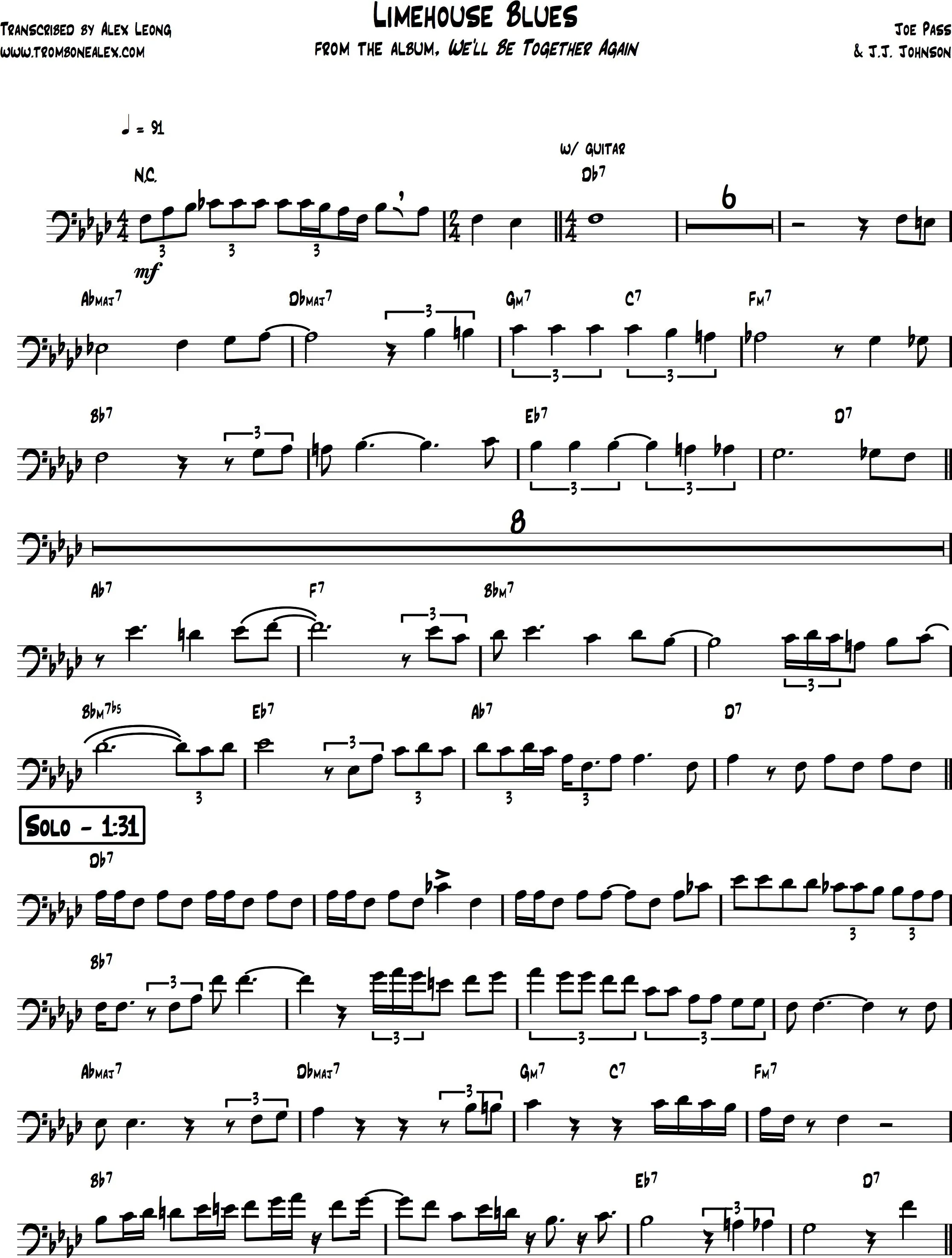
Joe Pass and J.J. Johnson attempt to play “Limehoues Blues” with a slow blues feel, shuffling along and trading phrases until someone plays too many notes and blows the form - like at any typical blues jam.
Read MoreJoe Pass and J.J. Johnson attempt to play “Limehoues Blues” with a slow blues feel, shuffling along and trading phrases until someone plays too many notes and blows the form - like at any typical blues jam.
Read MoreThe global sensation that became known as bossa nova is credited to Brazilian guitarist João Gilberto, who combined native samba rhythms with the European classical guitar, but historians point to a 1961 American state-sponsored festival in Rio de Janeiro, Brazil, as the moment when prominent jazz figures were first exposed to the new beat.
Read MorePerhaps the most significant aspect to this recording is J.J Johnson’s performance as a rhythmic accompaniment to the dexterous Joe Pass.
Read MoreThe contributions of Native voices in American popular music was not widely recognized until the 1960s Civil Rights movement, and indigenous folk songs, hymns, and marches had already been utilized by European composers and banned by the American government for nearly a century prior to Carl T. Fisher’s 1945 composition.
Read MoreBrazilian composer, Antonio Carlos Jobim’s ancestral influence included the Indigenous samba rhythms and the regional music of Portugal inspired by French Impressionist composers, Spanish classical guitar, and North African traditions.
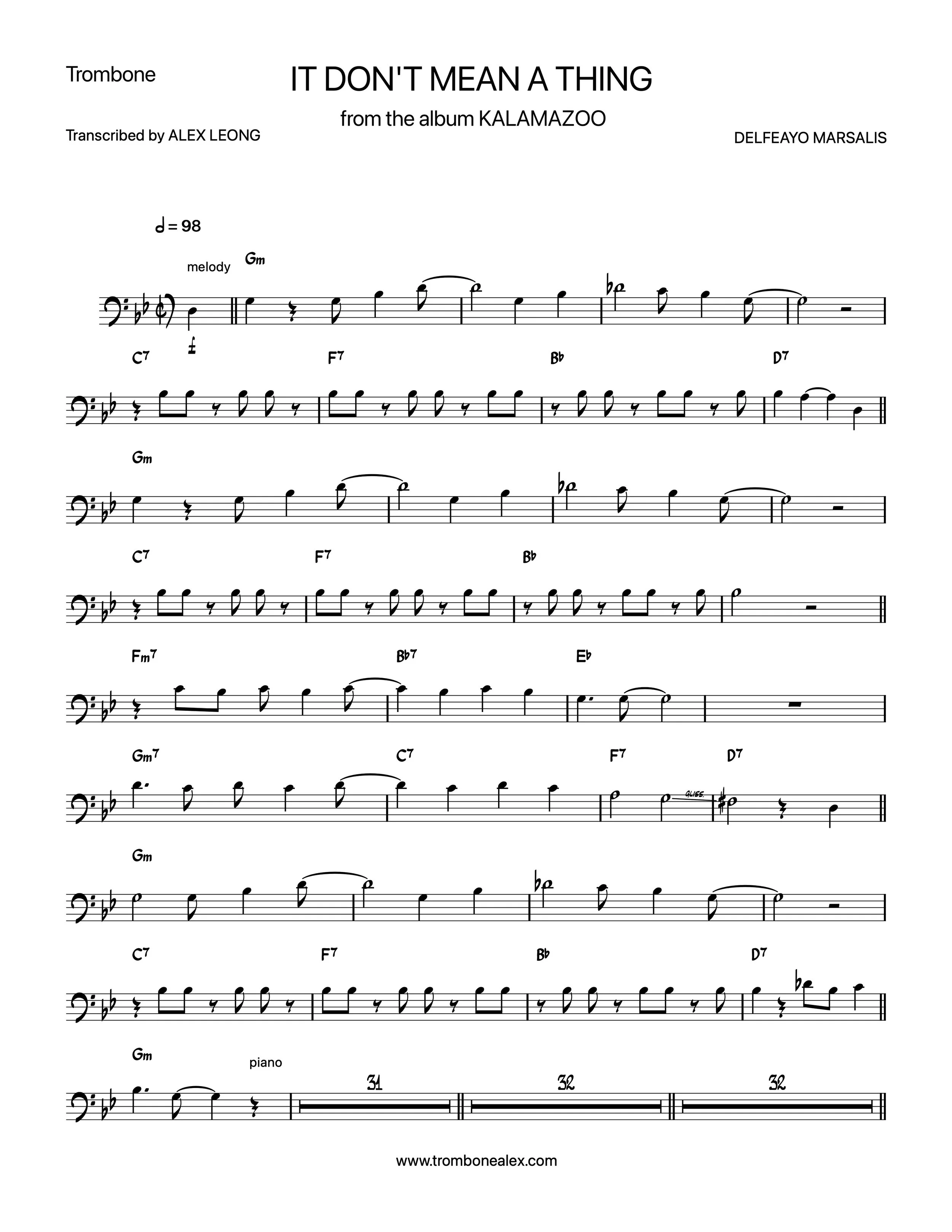
Read MoreIn his attempt to bridge the early and modern traditions of New Orleans jazz, Delfeayo Marsalis approached “Do You Know What It Means” with the intellectualism of bebop to reveal the depth and complexity of African-American traditions.
Read MoreMarsalis invited the students to join him in a blues jam, or what the album liner notes describe as “a lesson in democratic cooperation.” After agreeing on a key and form, he guided the group through the process: vocal solo, trombone solo, trading phrases, and riffing together.
Read MoreMarsalis was echoing the sentiment of his former bandleader, drummer Elvin Jones, who adopted the tune as a theme song, according to the Kalamazoo liner notes - that rhythm and blues are the ice breakers in the jazz conversation.
Read MoreWhile the music honors those who persevere through the trying confines, the live performance captured on the 2017 album, Kalamazoo, demonstrates the musicians’ in-the-moment effort to make the work appear to be effortless.
Read MoreMarsalis’ use of the Harmon mute alludes to the “Toots” Theilemans sound and the playfulness of Spike Jones, however it is his wah technique that reflects the blues that may have originally inspired Joe Raposo’s work.
Read MoreThe proceeding interaction between father and son, Ellis and Delfeayo Marsalis, is so playful that it becomes difficult to hear exactly who is leading and who is following - it is a musical flirtation between two life-long admirers of each other.
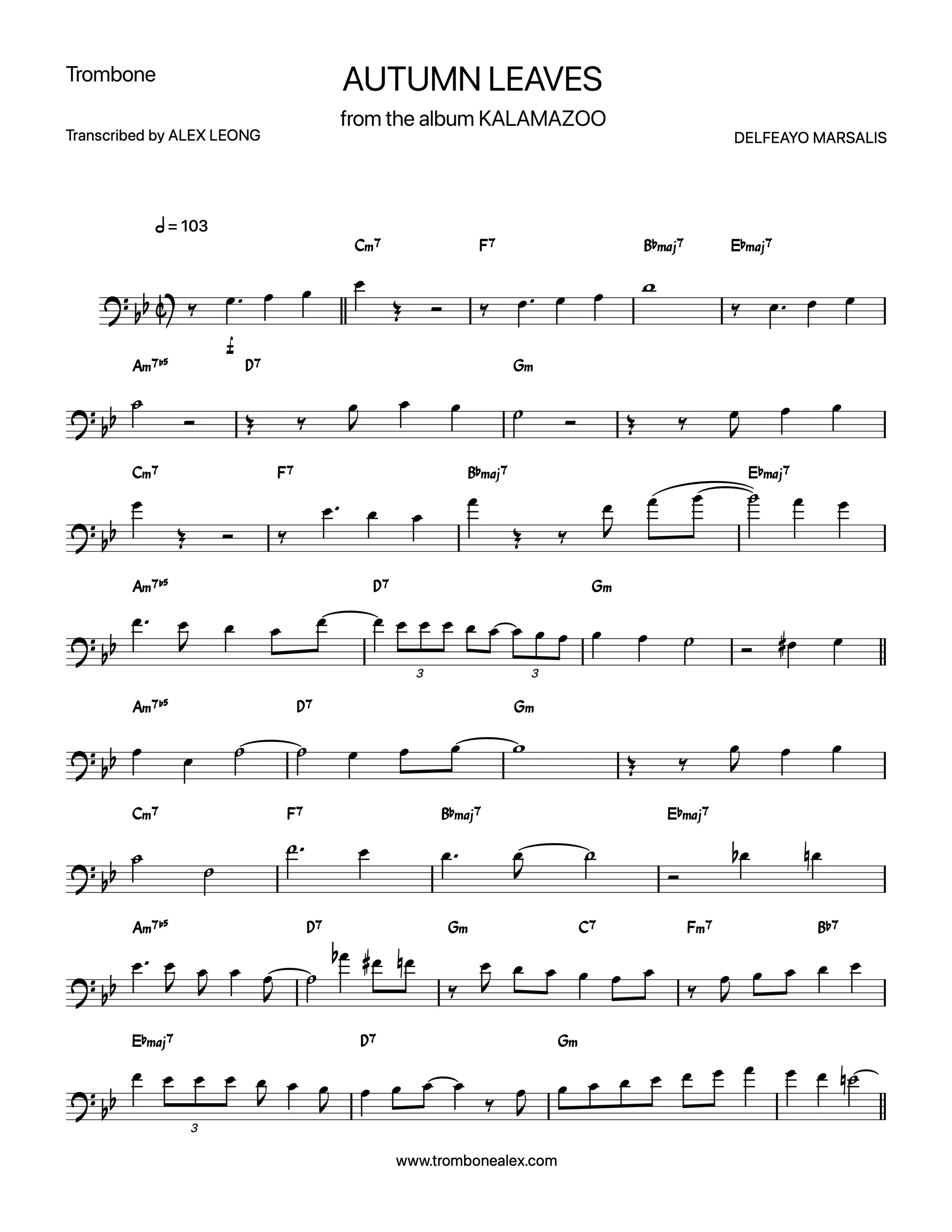
Read More“Autumn Leaves” is a prime example of modalism, utilizing a diatonic harmony with a melodic-minor phrasing - in other words, it plays safely by the rules of music theory
Read MorePrivileged groups like the New Orleans Rhythm Kings had access to recording studios and publishing companies, thus establishing “Tin Roof Blues” as an early jazz standard.
Read MoreThe final track on The Payback, the last James Brown album to feature Fred Wesley as an active member of the organization, was a fitting send off for the musical director.
Read MoreBy the time that The Payback was recorded, perhaps the writing was already on the wall as Fred Wesley relentlessly played his trombone on “Time Is Running Out Fast” as if trombone solos were going out of style, especially with the popularity of disco music on the horizon.
Read MoreIn response to the global boom of salsa music, Antonio Fuentes Estrada created The Latin Brothers in 1974 to attract audiences to salsa’s capital city, Cali, Colombia, and its beautiful dancing women, Las Caleñas.
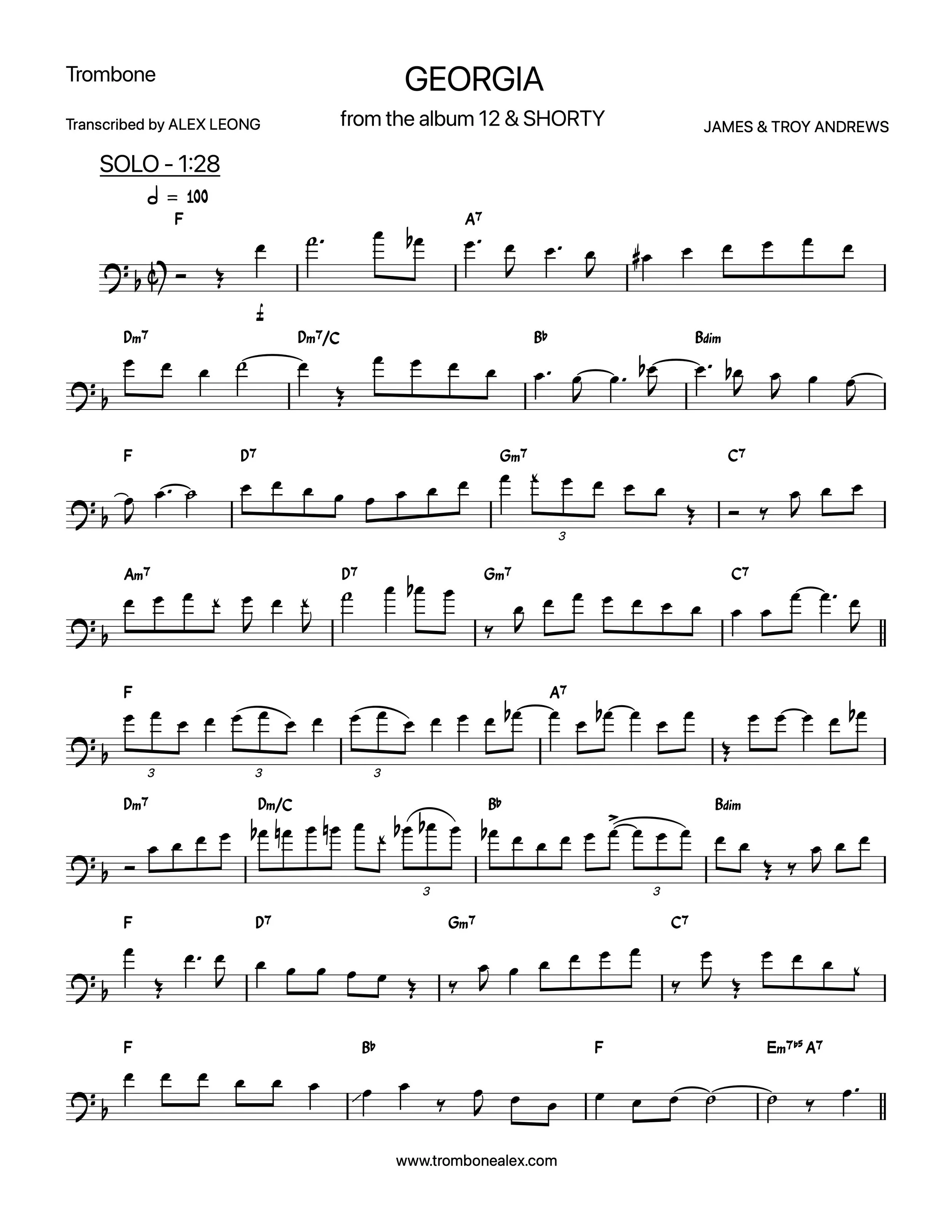
Read MoreBecause of its mainstream popularity, some songwriting circles have referred to a chord progression that utilizes a dominant-Three chord as the “Georgia” changes, despite its common occurrence in other early jazz standards heard throughout New Orleans, like “All of Me” and “Basin Street Blues.”
Read MoreFor younger bands like Big 6, the transition toward online marketing and social media has come more naturally than it has for older musicians established through decades of second-line parades with Social Aid & Pleasure Clubs.
Read MoreIt was Chicago gospel composer Kenneth Morris who first published an arrangement in 1940 based on variations sung by railroad porters that he had transcribed during his travels. Along with choir director Sallie Martin, the Martin & Morris Music Company became one of the oldest publishers of American music, and whose catalogue has since been donated to the Chicago Public Library.
Read MoreThe back-and-forth relationship between musicians and younger dancers is what pushes the music forward: the post-Civil Rights era audience led the Dirty Dozen Brass Band into funk while still celebrating bebop as its own form of protest music; the hip hop generation leaned back into the drums-and-bass grooves of Rebirth’s Frazier brothers; and the brass band music of a post-Katrina era goes viral within a fifteen-second dance video on social media.
Read More