"Pure Imagination" - Ronell Johnson
Songwriter Leslie Bricusse suggested that “Pure Imagination” was written in a single day, however its enduring legacy can be attributed to the song’s adoption by the city of New Orleans - where “anything you want to, do it” is the way of life.
Read More
"Ice Cream" - Ronell Johnson
In 1944, New Orleans trombonist Jim Robinson recorded a version of “Ice Cream” with clarinetist George Lewis, featuring the trombone as the lead melodic voice and a rhythmic performance that established the song as his signature tune.
Read More
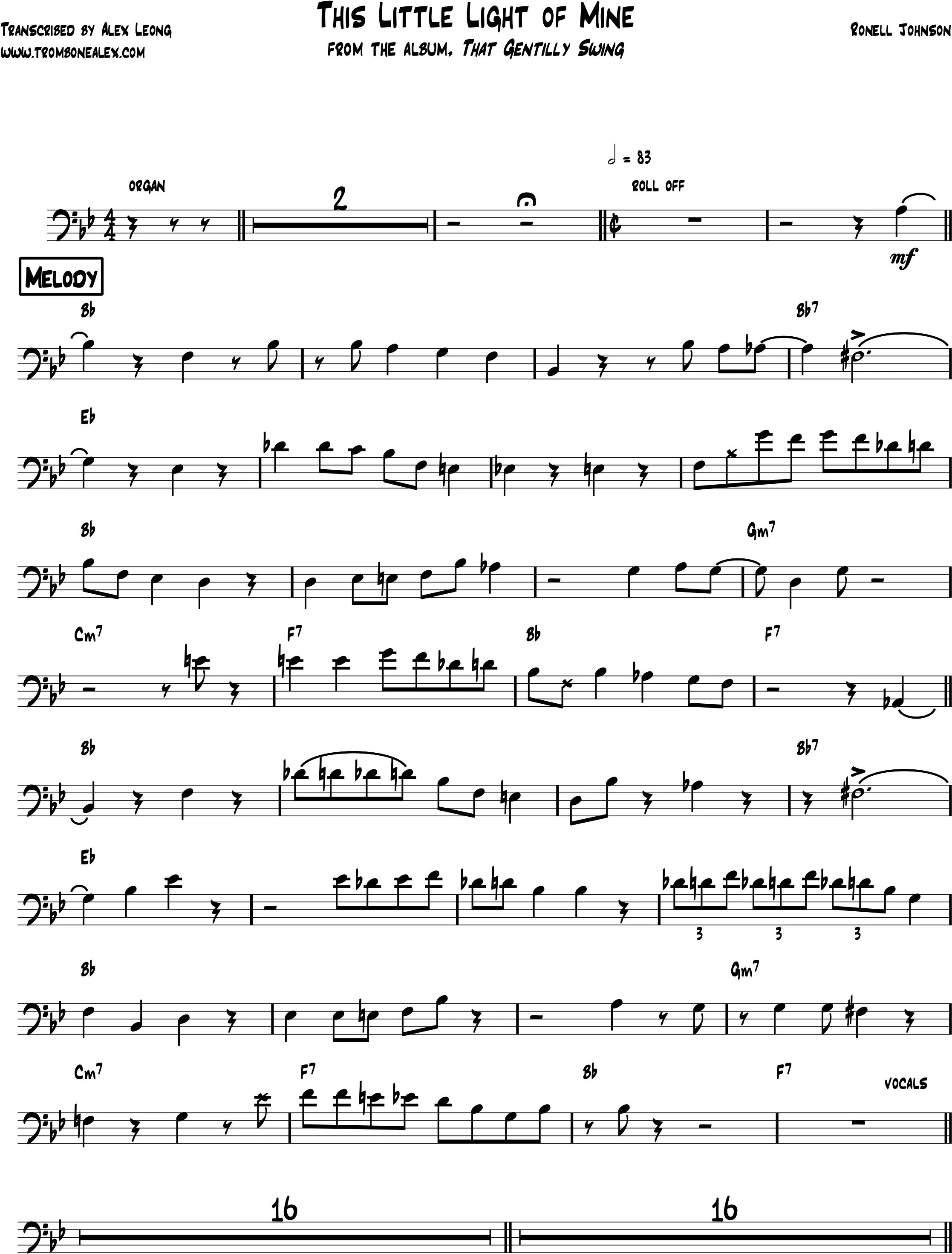
"This Little Light of Mine" - Ronell Johnson
It was church musician Harry Dixon Loes’ version that helped to illuminate the struggle for Civil Rights in the States and also provided positive affirmations on developing minds as a children’s song - re-contextualizing the sacred practice for secular work.
Read More
"Basin Street" - Ronell Johnson
Among the popular compositions by Louisiana-native songwriter Spencer Williams, which include “Royal Garden Blues” and “When Lights Are Low,” the most-widely adapted song has been “Basin Street Blues.”
Read More
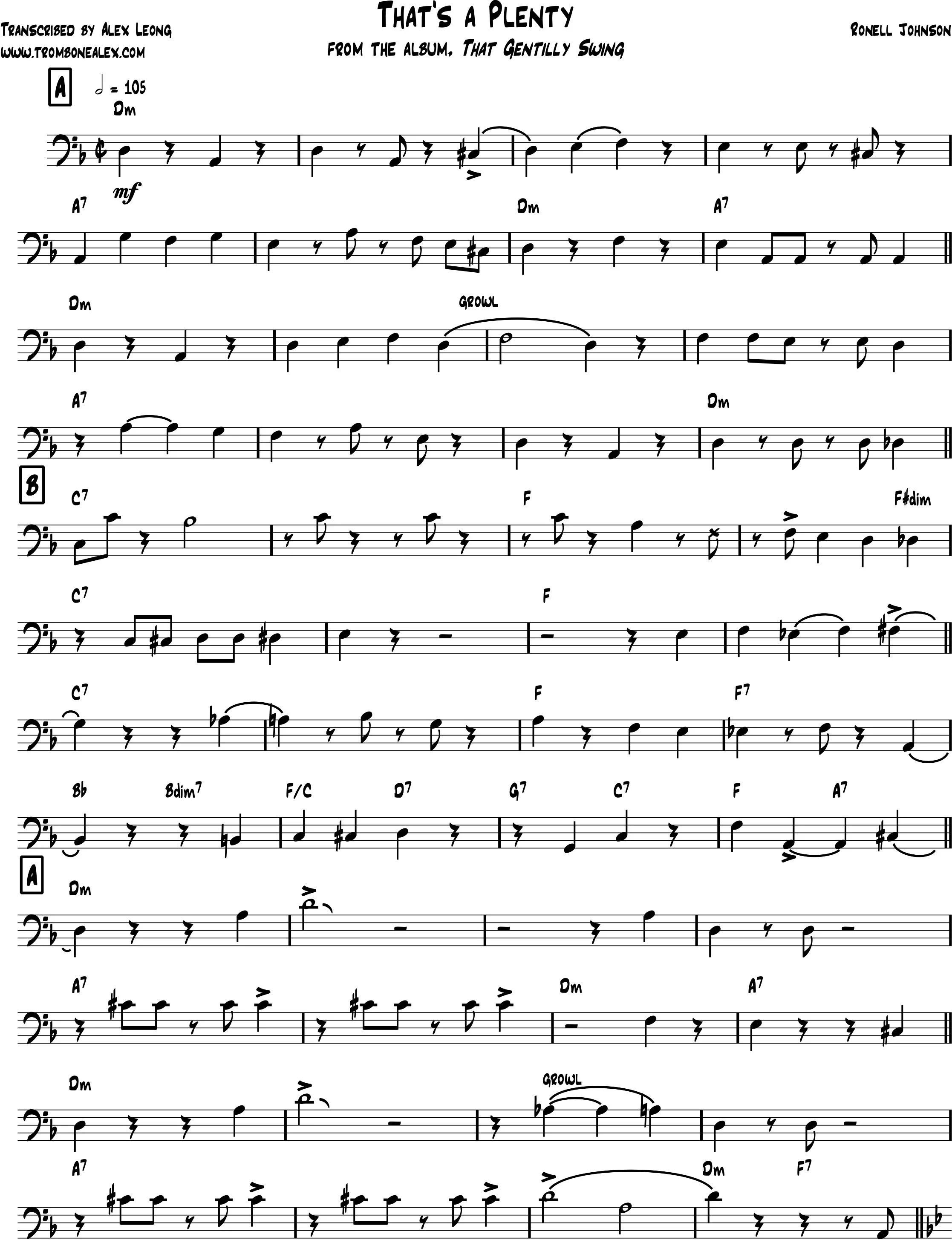
"That's a Plenty" - Ronell Johnson
It was a group of white musicians from New Orleans who had relocated to Chicago and recorded “That’s a Plenty” as the New Orleans Rhythm Kings in 1932, presenting a more authentic feel to the standard rags that defined Chicago-style jazz.
Read More
"Shimmy Like My Sister Kate" - Ronell Johnson
It is only fitting for “I Wish I Could Shimmy Like My Sister Kate” - a song about hearsay, reputation, and second-hand accounts - to have a questionably curious backstory.
Read More
"Tipitin" - Ronell Johnson
Prolific Mexican composer María Grever’s blend of regional Hispanic melodies and indigenous rhythms, along with first-hand training from European Impressionists, captured the attention of American jazz musicians while her lyricism inspired productions for the stage and screen.
Read More
"Corrina, Corrina" - Ronell Johnson
For over a century, many singers have asked where “Corrina” has been however few seem to know exactly where “Corrina” originated.
Read More
"Tiger Rag" - Ronell Johnson
One of the earliest jazz recordings, “Tiger Rag” is credited to the members of The Original Dixieland Jazz Band however its origin and musical themes have been disputed long before its 1917 publishing.
Read More
"Because of You" - Ronell Johnson
Arthur Hammerstein’s legacy as a songwriter pales in comparison to his prolific nephew, Oscar Hammerstein II, but his greatest songwriting credit, “Because of You” - a ballad co-written in 1941 with Dudley Wilkinson - was featured in the 1951 wartime film I Was an American Spy but eventually found wider audiences off-screen.
Read More
"That Gentilly Swing" - Ronell Johnson
While the melodic phrasing of “That Gentilly Swing” shares commonalities with other tunes, its performance among multiple voices in musical conversation is the tune’s true melodic quality: rhythm as melody, or that Gentilly swing.
Read More
"Pallet on the Floor" - Ronell Johnson
“Pallet on the Floor” is remembered as one of trumpeter Buddy Bolden’s signature tunes that would inspire the popularity of early jazz in the twentieth century.
Read More
"Struttin' with Some Barbecue" - Ronell Johnson
Lil Hardin Armstrong gave her life to “The World’s Greatest Trumpet Player.”
Read More
"Java" - Trombone Shorty
In response to criticism of New Orleans trumpeter Al Hirt’s pop success from his 1963 recording of the Allen Toussaint instrumental “Java,” it was believed that Hirt rejected his association with jazz despite an established career with big band and Dixieland music.
Read More
"Here Come The Girls" (Stanton Moore version) - Trombone Shorty
In 2017, Trombone Shorty and drummer Stanton Moore both released separate versions of “Here Come The Girls,” the Ernie K-Doe hit song written by Allen Toussaint, and both versions featured a solo from Trombone Shorty, creating a chicken-and-egg scenario for any curious listeners.
Read More
"Big Fat Woman" - Rebirth Brass Band
As of late 2022, the only proper writing credit for Rebirth’s “Big Fat Woman” has been given by the user-submitted resource, Discogs.com, which simply lists it as “Traditional.”
Read More
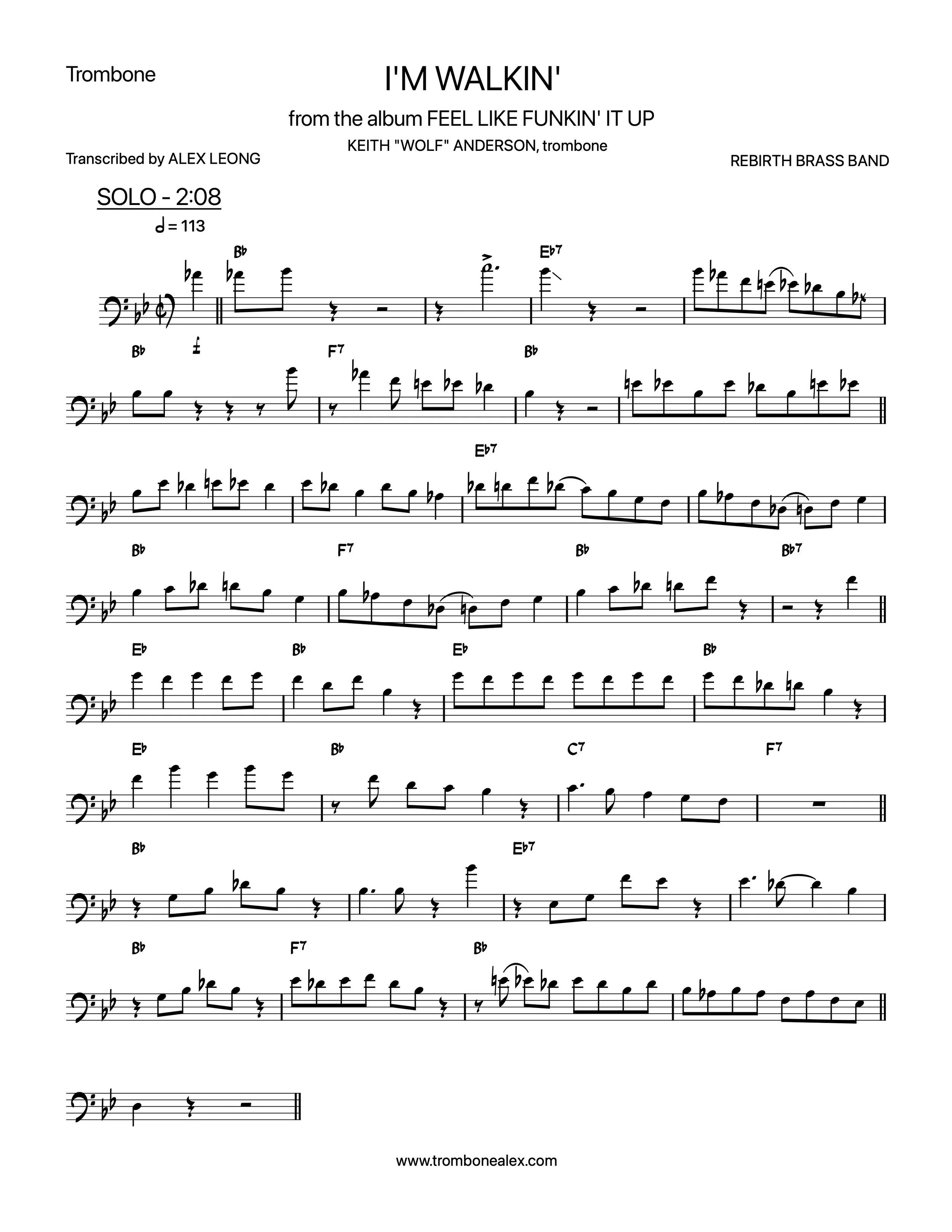
"I'm Walkin'" - Rebirth Brass Band
From 1955 to 1960, New Orleans pianist Antoine “Fats” Domino recorded a series of Billboard Top 10 hits with local producer Dave Bartholomew that would define a generation of American popular music. When asked about the origins of rock music, “Fats” Domino explained that it was simply the rhythm & blues they had been playing in New Orleans - the same music that would eventually influence Motown and The British Invasion.
Read More
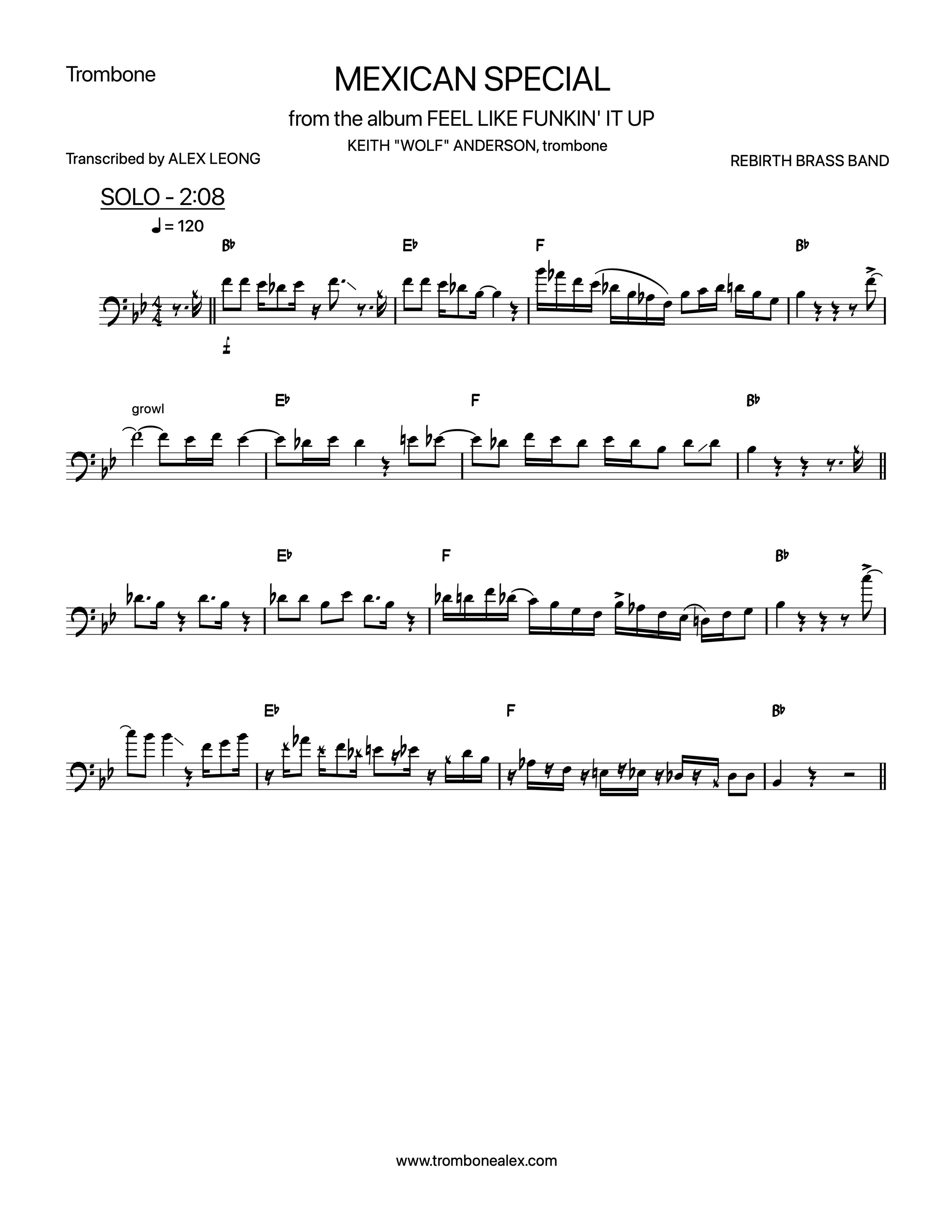
"Mexican Special" - Rebirth Brass Band
While the band’s intended use of the phrase “Mexican Special” appears to have never been publicly explained, it could be appropriated slang for “hot sauce” simply based on trumpeter Kermit Ruffins’ own affinity for barbecue. In a musical sense, it could also refer to the blend of Caribbean rhythms with American blues melodies, as displayed within Keith “Wolf” Anderson’s trombone solo.
Read More
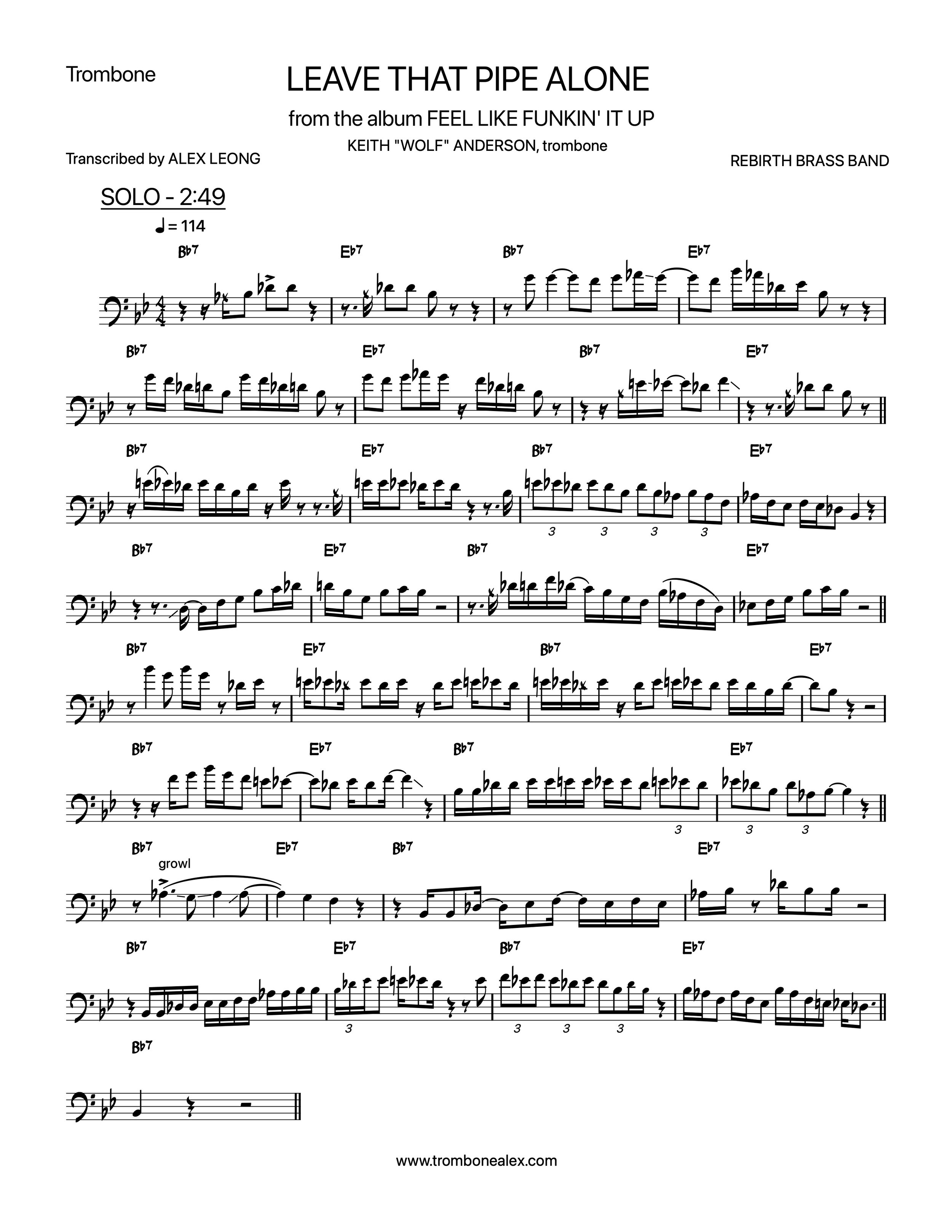
"Leave That Pipe Alone" - Rebirth Brass Band
While the Reagan-era “Just Say No” platitude reduced the social crisis down to a simple black-and-white issue through the denial of pleasure, Rebirth’s “Leave That Pipe Alone” campaign directly acknowledges the introduction of, the cohabitation with, and the addiction to harmful substances within the community.
Read More
"I'll Be Glad When You're Dead" - Rebirth Brass Band
New Orleans songwriter and entertainer Sam Theard originally wrote and recorded “You Rascal You” in 1929 as a minor-blues dirge. Despite its violent imagery, the song’s popularity has lasted in part due to the clever and creative rhyming pairs that evolve with the language over time, as well as allow the singer to get in the final word or veiled threat.
Read More