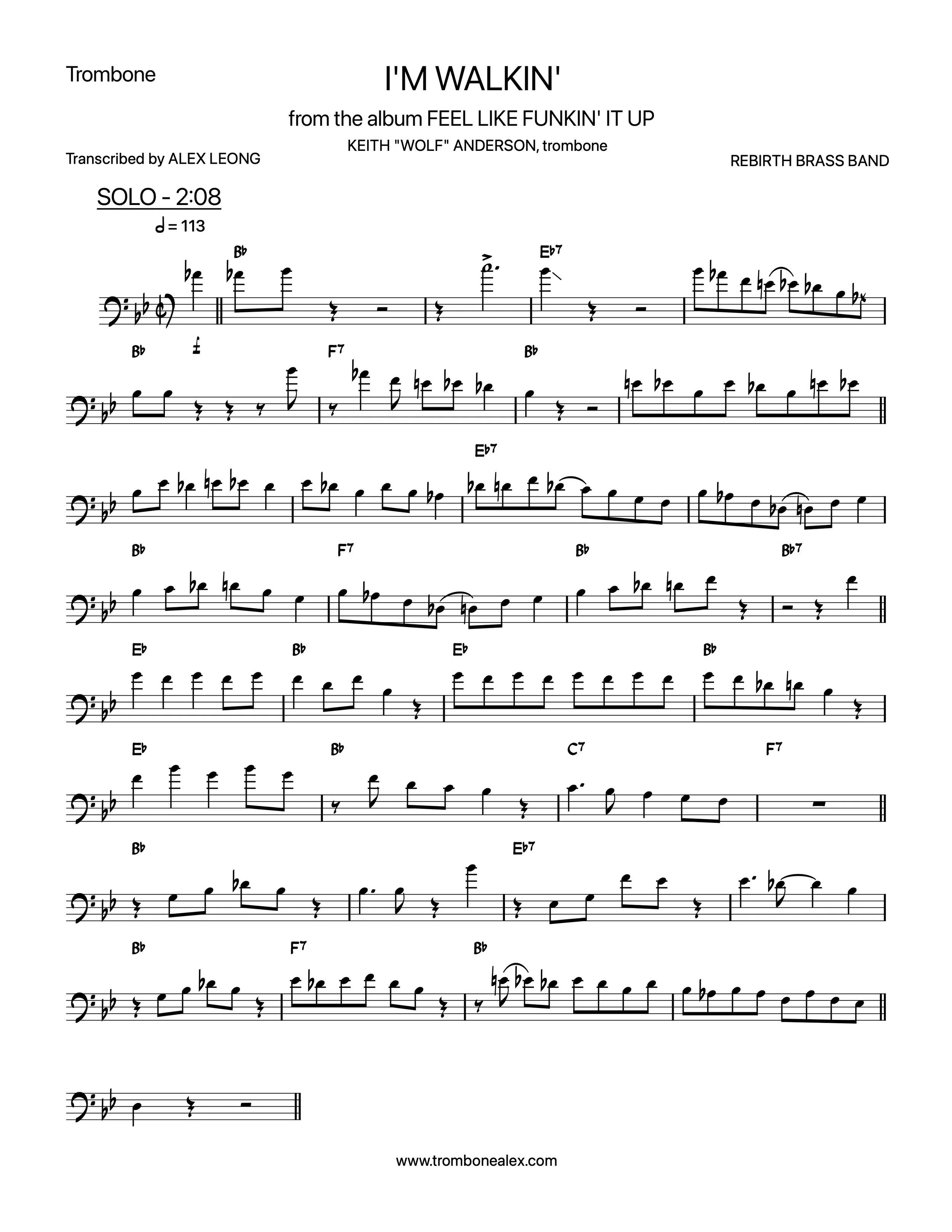
As of late 2022, the only proper writing credit for Rebirth’s “Big Fat Woman” has been given by the user-submitted resource, Discogs.com, which simply lists it as “Traditional.”
Read MoreAs of late 2022, the only proper writing credit for Rebirth’s “Big Fat Woman” has been given by the user-submitted resource, Discogs.com, which simply lists it as “Traditional.”
Read MoreFrom 1955 to 1960, New Orleans pianist Antoine “Fats” Domino recorded a series of Billboard Top 10 hits with local producer Dave Bartholomew that would define a generation of American popular music. When asked about the origins of rock music, “Fats” Domino explained that it was simply the rhythm & blues they had been playing in New Orleans - the same music that would eventually influence Motown and The British Invasion.
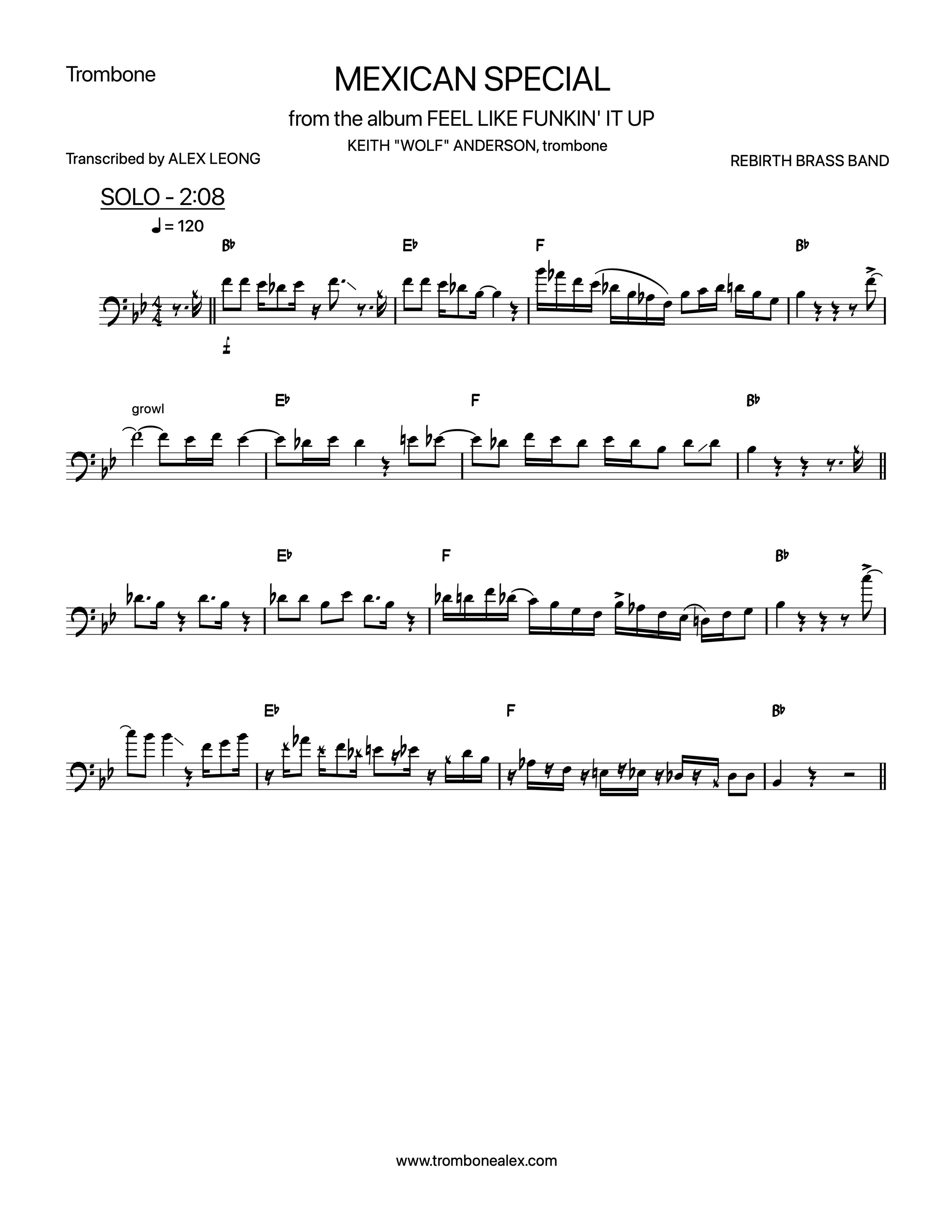
Read MoreWhile the band’s intended use of the phrase “Mexican Special” appears to have never been publicly explained, it could be appropriated slang for “hot sauce” simply based on trumpeter Kermit Ruffins’ own affinity for barbecue. In a musical sense, it could also refer to the blend of Caribbean rhythms with American blues melodies, as displayed within Keith “Wolf” Anderson’s trombone solo.
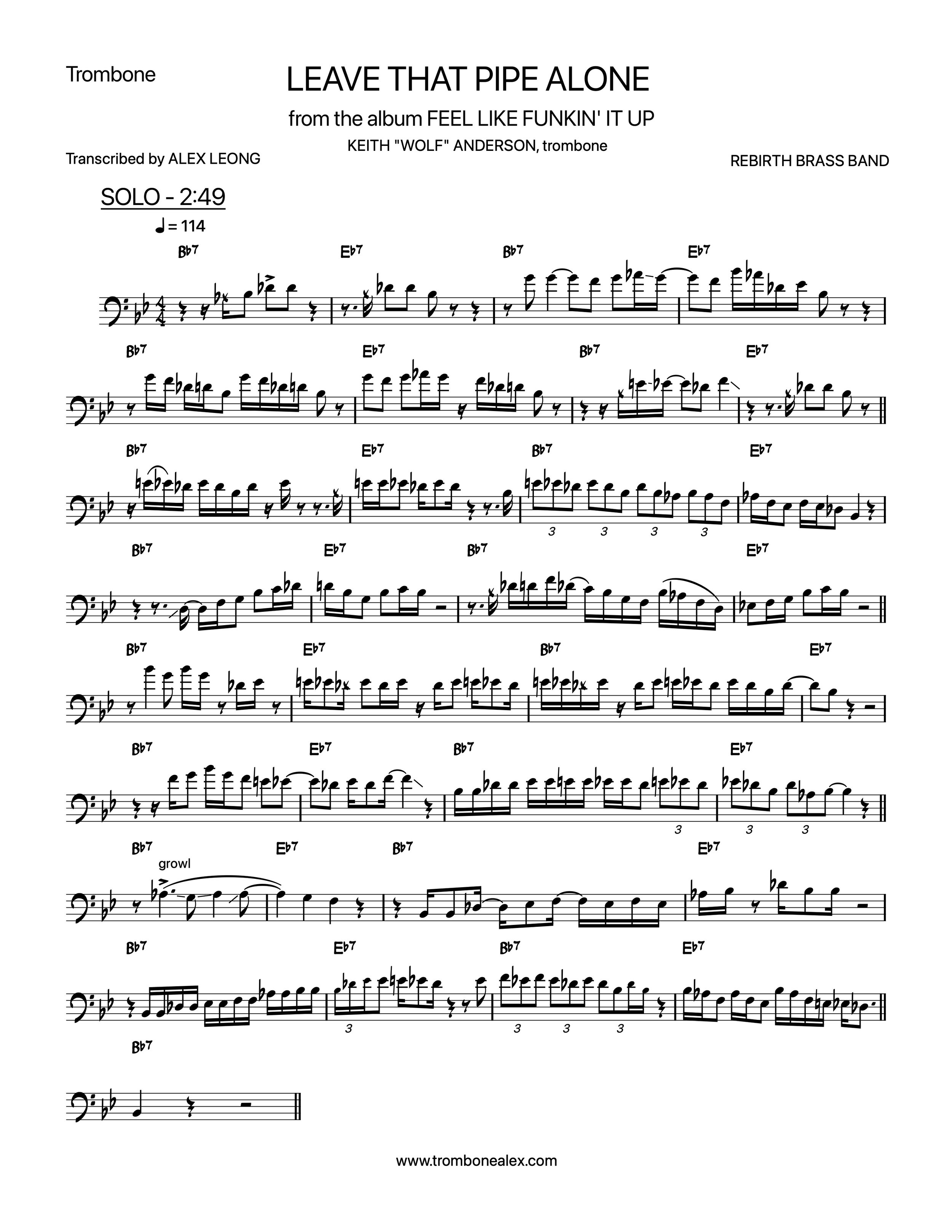
Read MoreWhile the Reagan-era “Just Say No” platitude reduced the social crisis down to a simple black-and-white issue through the denial of pleasure, Rebirth’s “Leave That Pipe Alone” campaign directly acknowledges the introduction of, the cohabitation with, and the addiction to harmful substances within the community.
Read MoreNew Orleans songwriter and entertainer Sam Theard originally wrote and recorded “You Rascal You” in 1929 as a minor-blues dirge. Despite its violent imagery, the song’s popularity has lasted in part due to the clever and creative rhyming pairs that evolve with the language over time, as well as allow the singer to get in the final word or veiled threat.
Read MoreNew Orleans guitarist Earl King wore many masks. Born Earl Silas Johnson IV, he established himself as a blues king in the 1950s by faithfully imitating his musical idols, even presenting himself as Guitar Slim after the hitmaker was hospitalized and unable to complete his 1954 tour.
Read More“Good Company,” covers a lot of musical ground within its exactly-three-minutes runtime and features a trombone solo that has been reduced to a flashy four bars.
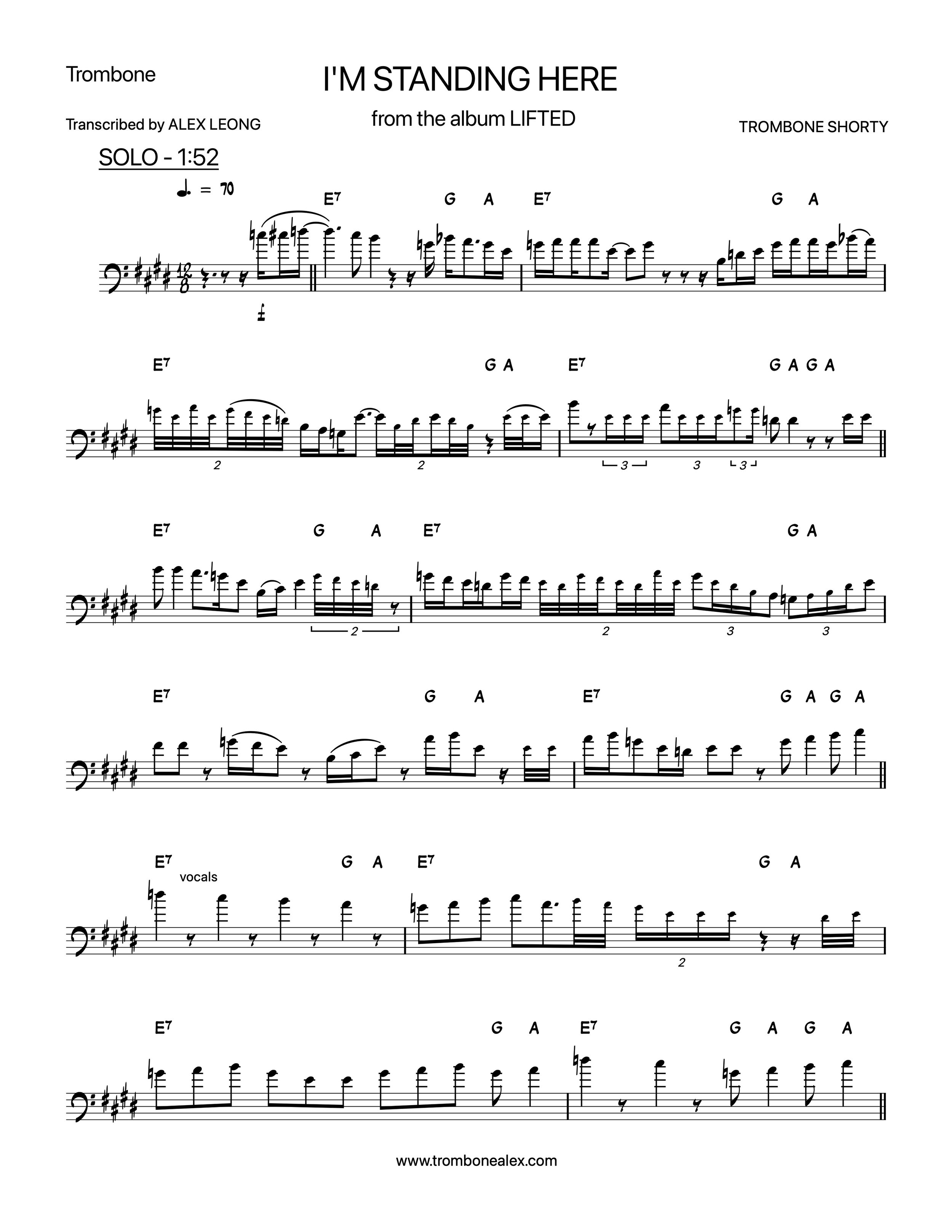
Read MoreIn what might be the most underrated track from the album Lifted, “Might Not Make It Home” captures the sound of Trombone Shorty as a fully-developed artist, free of any genre-defining labels, launched into a stratosphere somewhere between Earth, Wind & Fire and Parliament/Funkadelic. And yet, Trombone Shorty’s musical roots remain firmly planted in New Orleans.
Read MoreTrombone Shorty’s fifth major-label album, Lifted, was officially released on the opening day of the 2022 New Orleans Jazz & Heritage Festival. His performance brought the two-weekend festival to a close in the early evening of Mothers Day - a fitting tribute to the album’s cover photo of his late mother, Lois Nelson Andrews, holding up the shorty musician at a second-line parade.
Read MoreModern brass bands like New Breed, Da Truth, Big 6, and Young Fellaz have thrived by utilizing social media to share New Orleans traditions with everybody in the world.
Read MoreThe homegrown talent of the Austin, Texas blues scene, guitarist Gary Clark Jr. established himself as a twenty-first century bluesman at the infamous Antone’s on Sixth Street, but it was his appearance at the 2010 Crossroads Guitar Festival where the rest of the world learned his name.
Read MoreTrombone Shorty’s new album, Lifted, is the most accurate document of the sound of his band, Orleans Avenue, since its 2005 debut album on Treme Records.
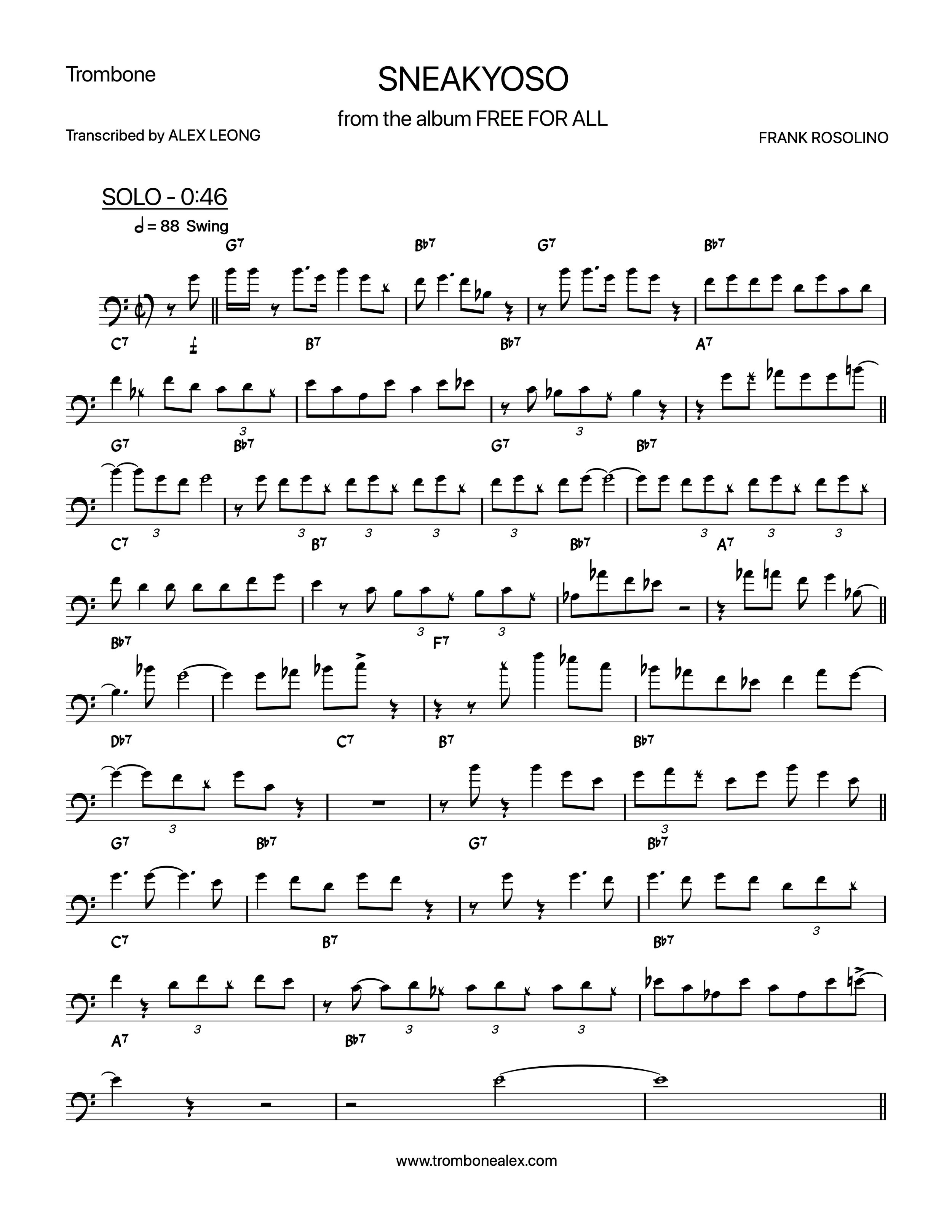
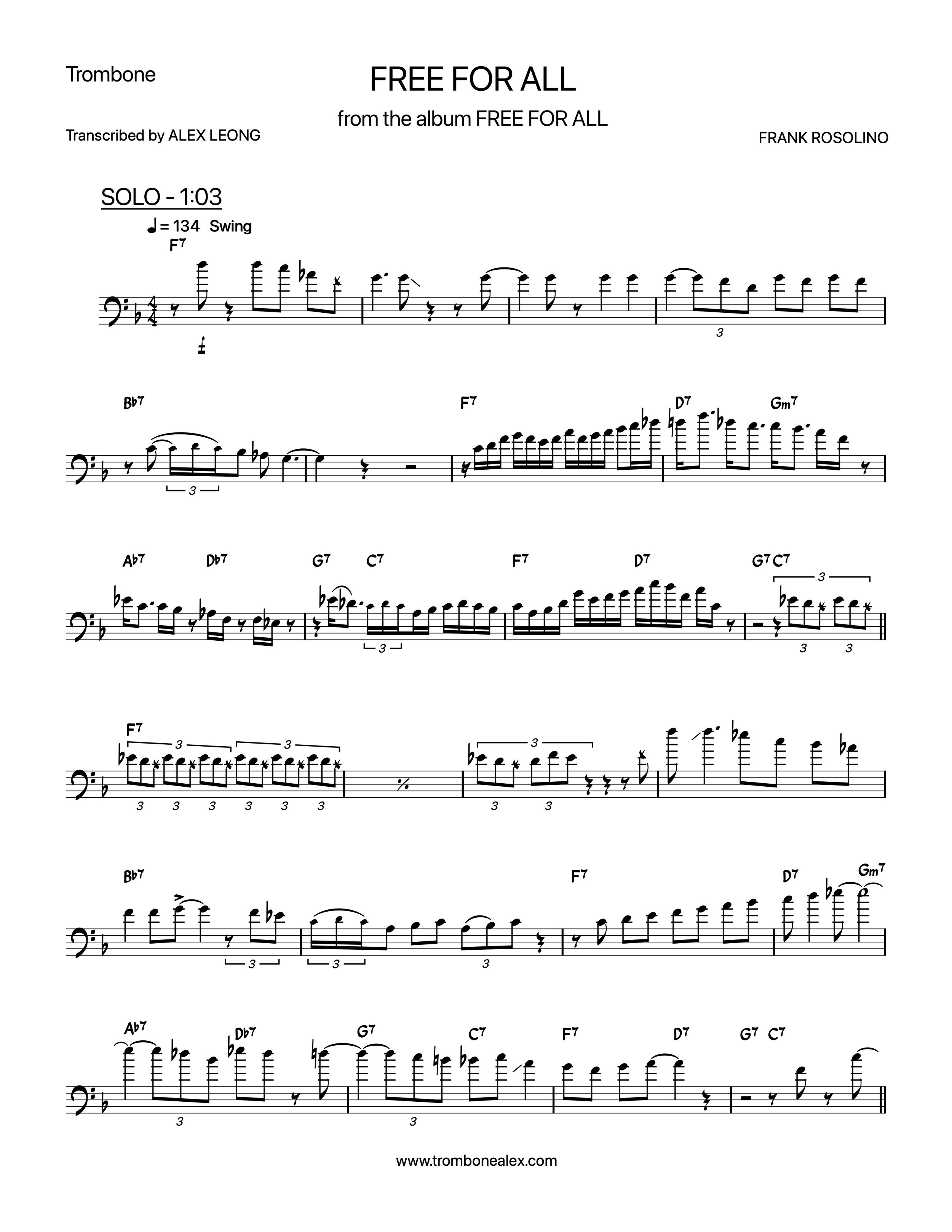
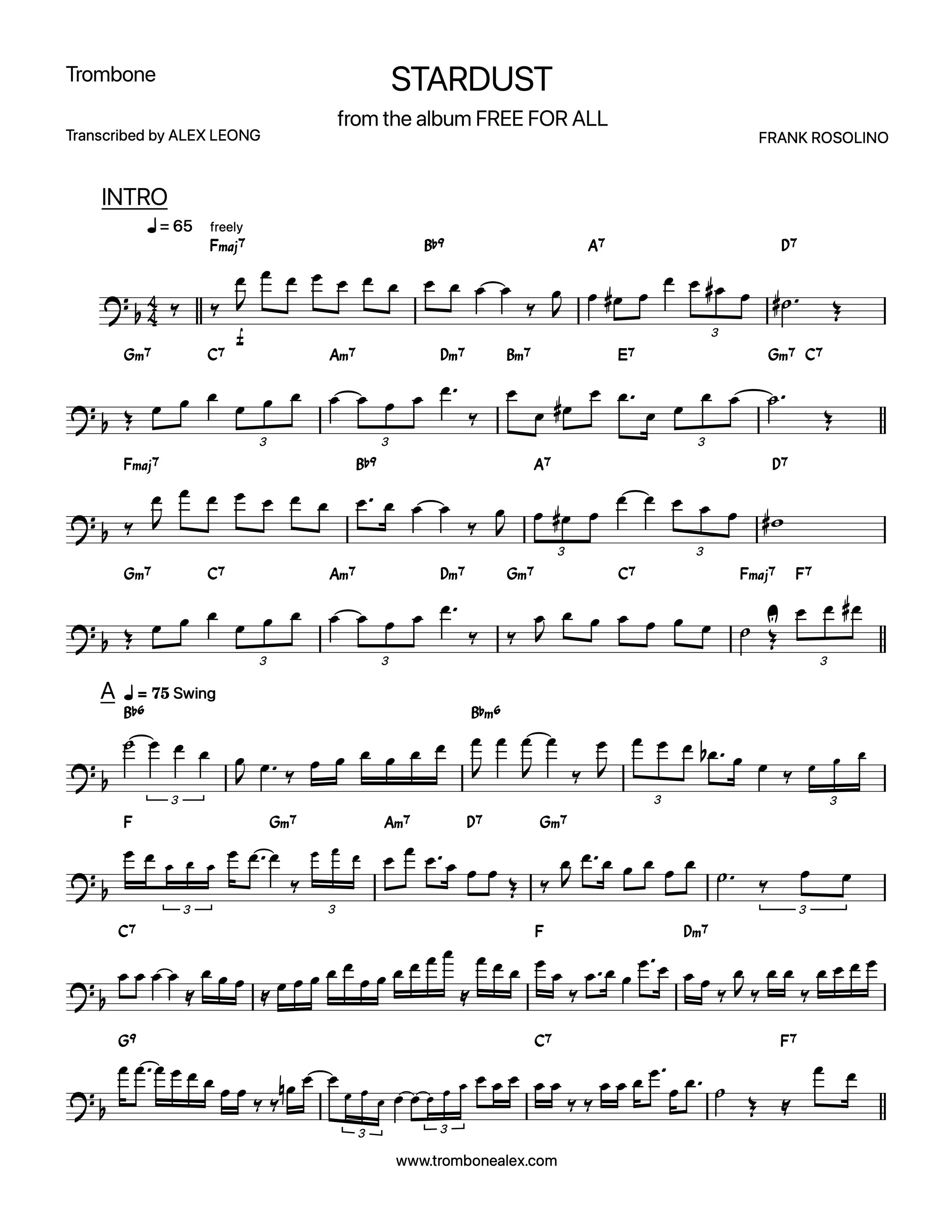
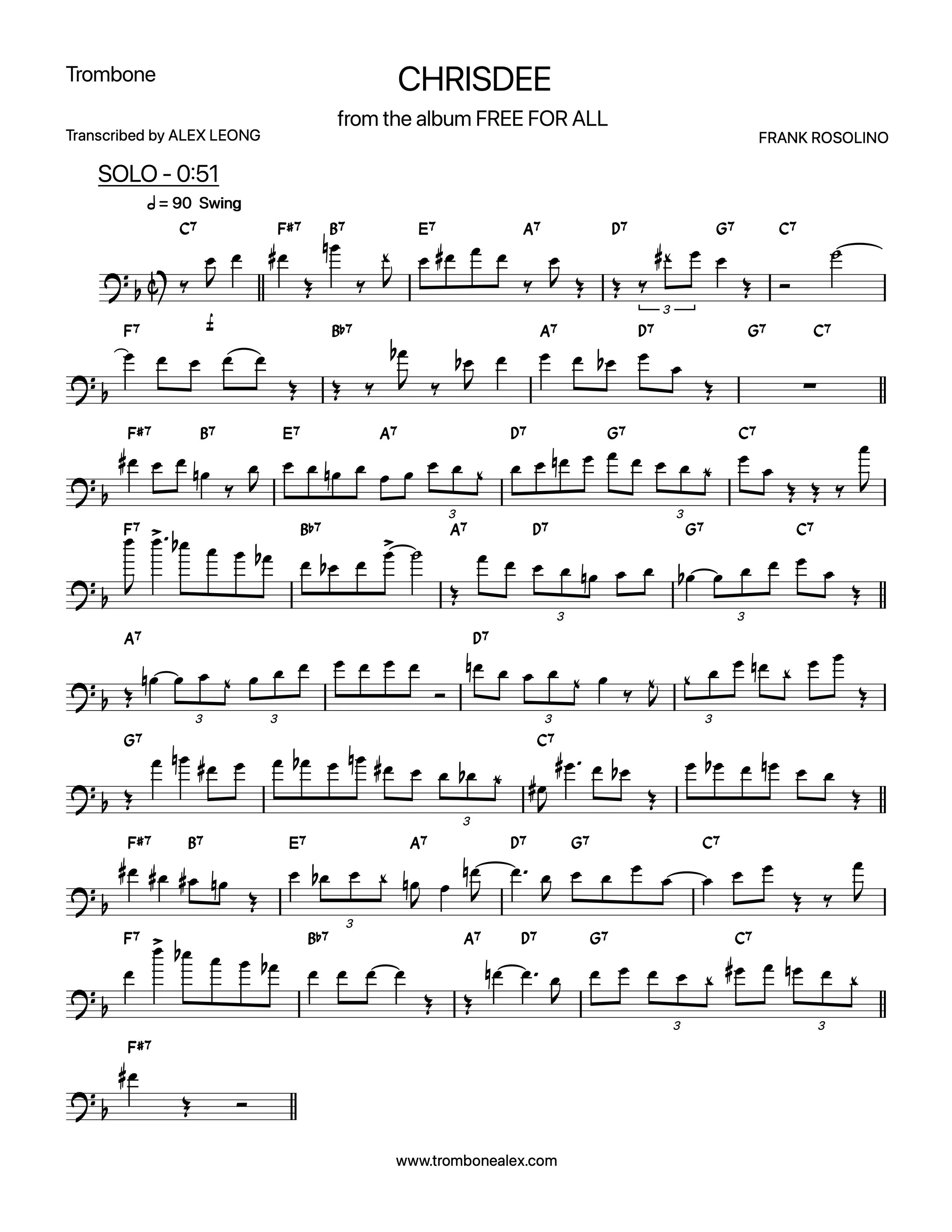
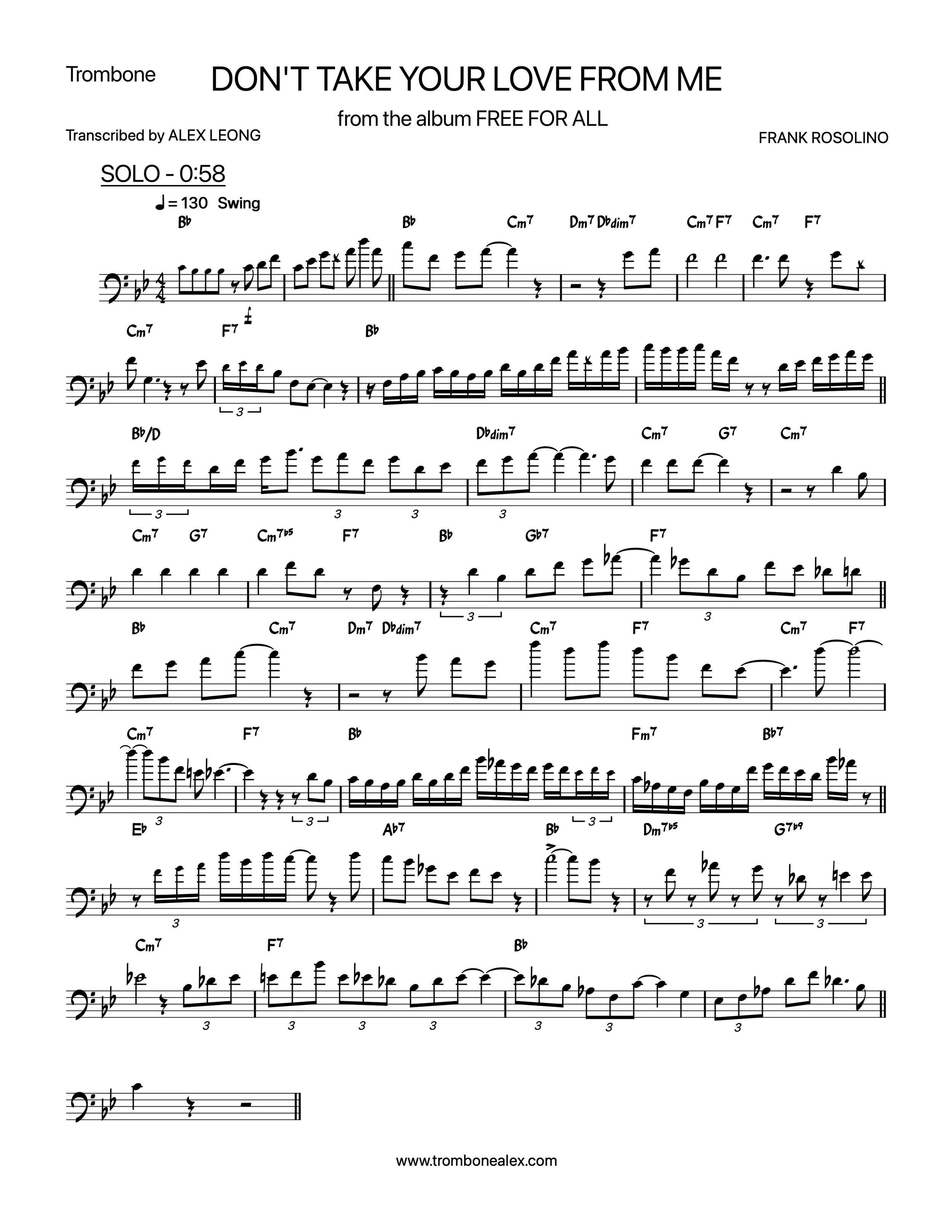
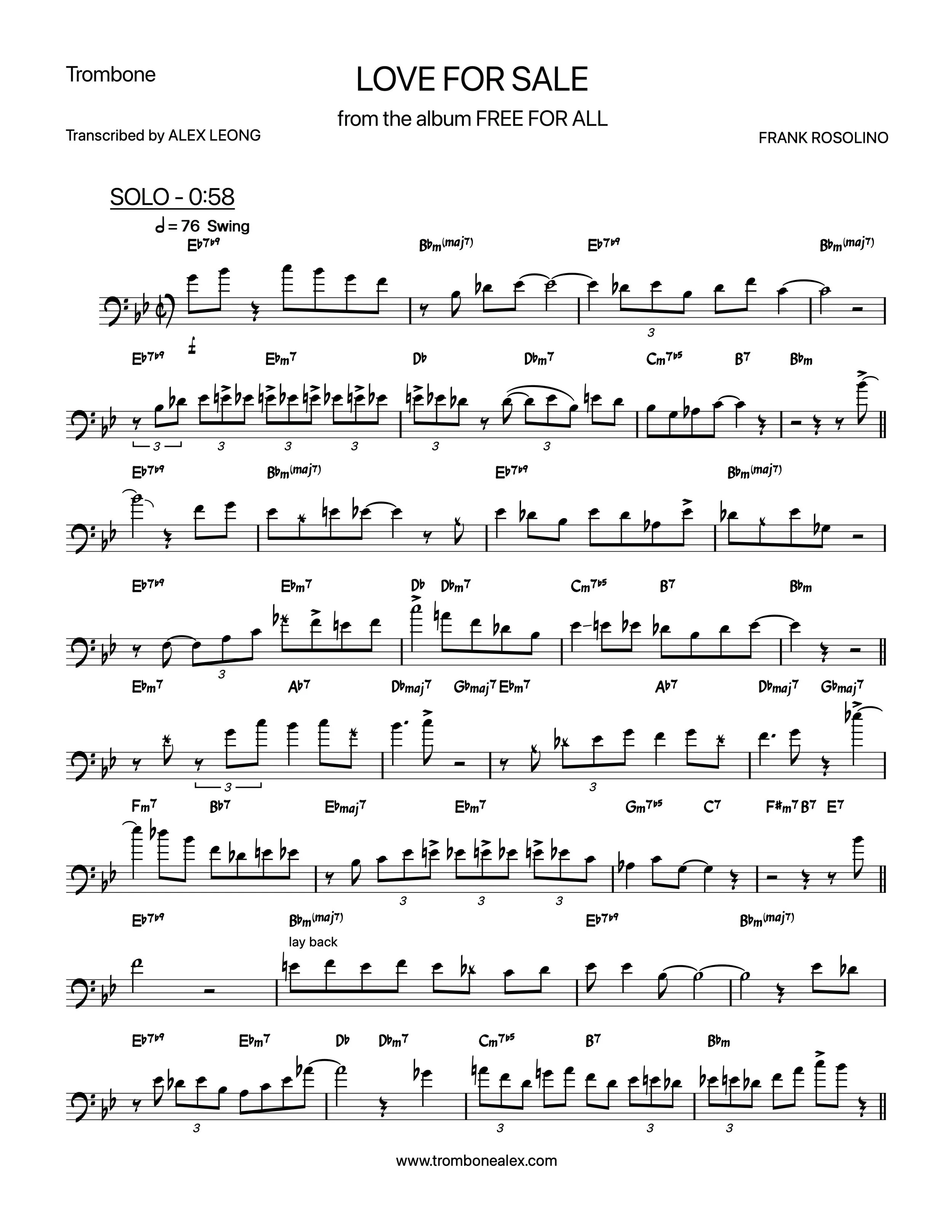
Read MoreFrom the 1991 album Free For All:
Read MoreFrom the 1991 album Free For All:
Read MoreFrom the 1991 album Free For All:
Read MoreFrom the 1991 album Free For All:
Read MoreFrom the 1991 album Free For All:
Read MoreFrom the 1991 album Free For All:
Read MoreFrom the 1991 album Free For All:
Read MoreFrom the 1991 album Free For All:
Read More