The influence of New York City’s bustling jazz scene in the 1940s, using Broadway tunes to create bebop, led to the appearance of “Paper Moon” in the Tennessee Williams Pulitzer Prize-winning play A Streetcar Named Desire, a story that takes place in New Orleans.
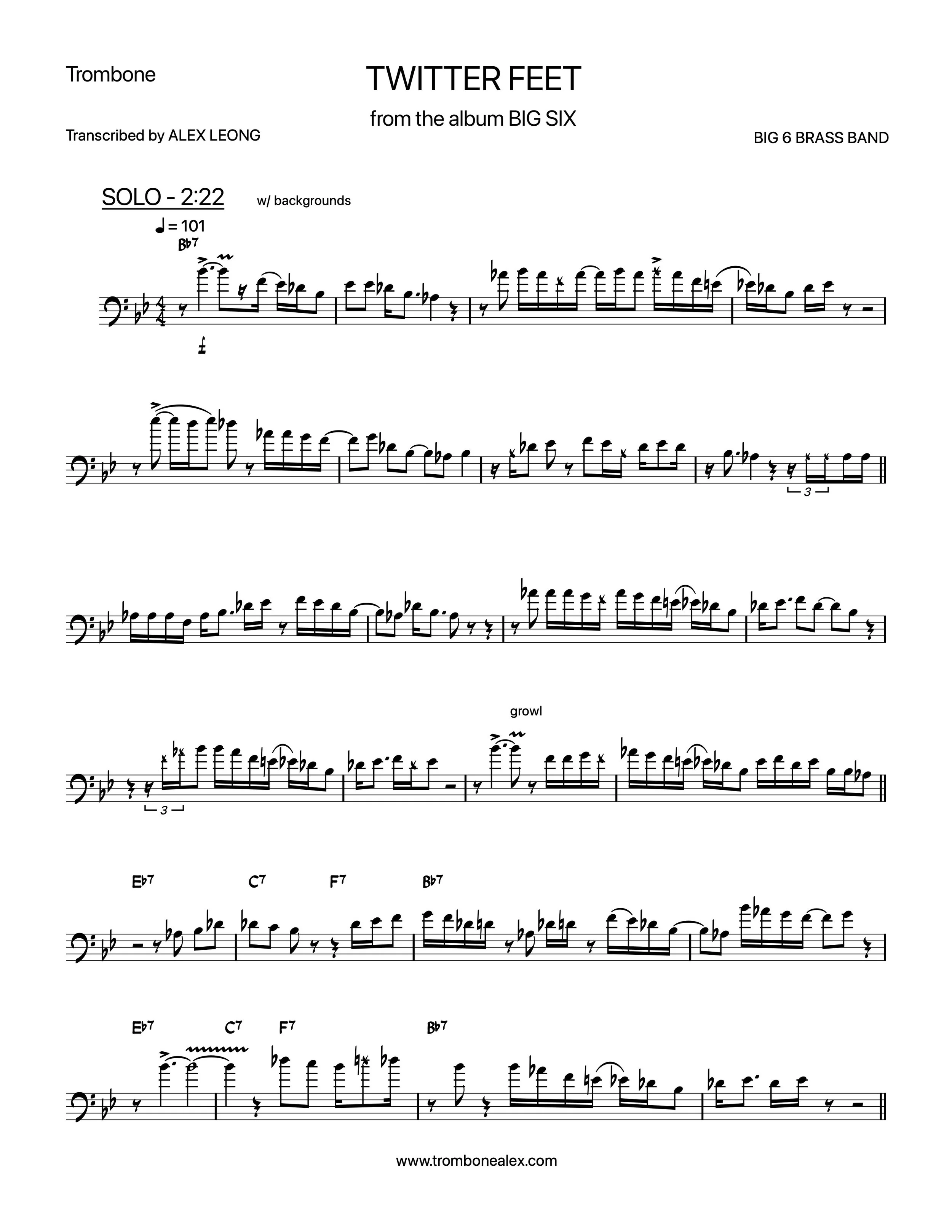
Read MoreTrombonist Lamar Heard Sr. came to Big 6 Brass Band from playing with Stooges Brass Band, a byproduct of Rebirth’s success in the early 90s as well as the catalyst for hip hop’s influence on brass band music by the turn of the century.
Read MoreGiven the tune’s simple chord changes and singable melody, “Lady Be Good” is often overlooked by post-modern and doctoral musicians in debt to their previous lives. But in such a timeless city as New Orleans, music does not get erased - modern jazz is a living preservation of early traditions and spirits that prolong legacy rather than recycle invention.
Read MoreWith the shift of public discourse toward social media, the current evolution in New Orleans brass band music amplifies the voice of a new generation through viral brass band covers and SoundCloud mixtapes.
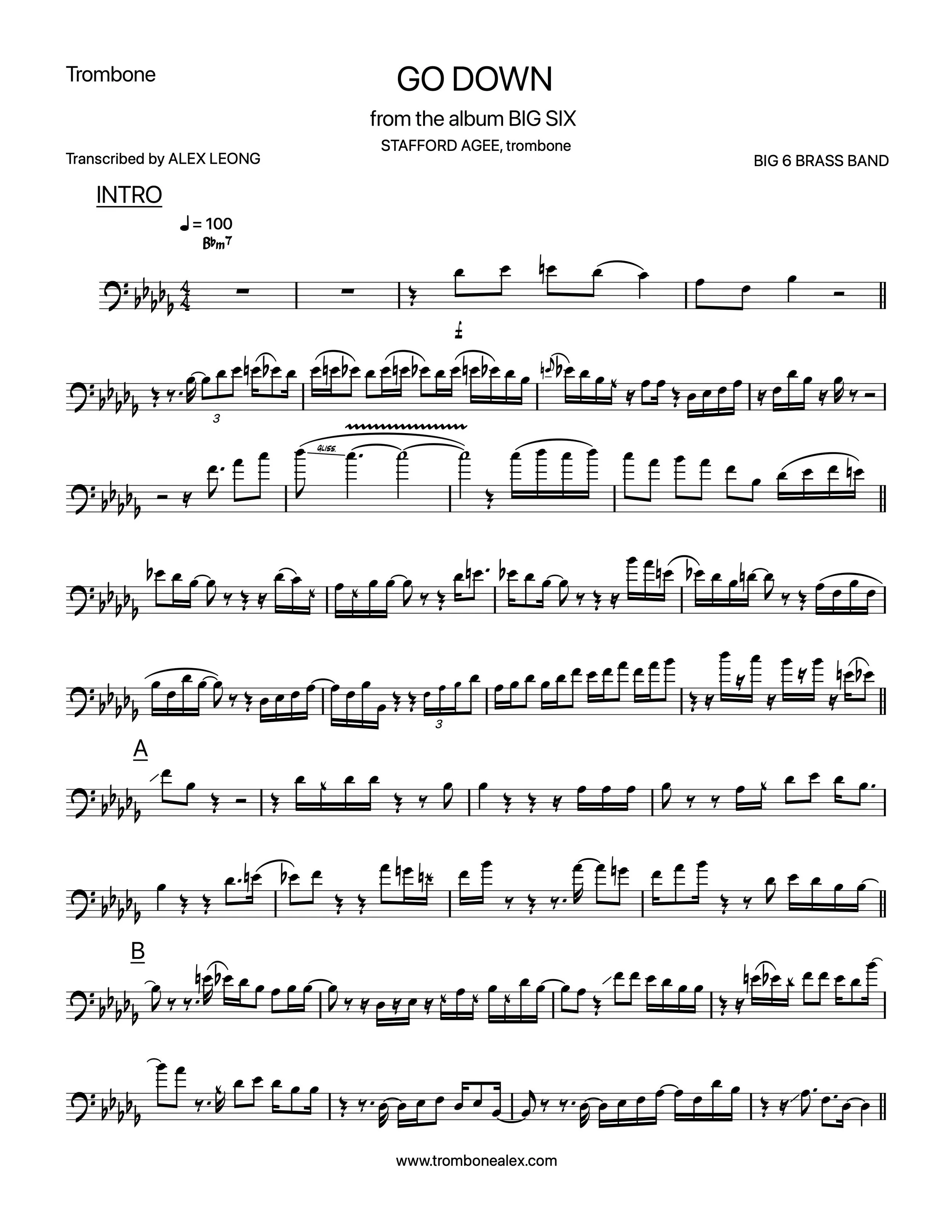
Read MoreTrombonist Stafford Agee passes the torch to the Big 6 Brass Band with his guest appearance on “Go Down” by providing the Mardi Gras Indian rhythms on top of a solid groove that only comes from years playing alongside Rebirth, Hot 8, Stooges, and TBC
Read MoreAlfredo Gutiérrez, a three-time “El Rey del Vallenato Legend Festival,” popularized cumbia in the 1960’s with studio performances of a ballroom-style called porro, notable for the cowbell rhythms played on rim or shell of the drum. His recording of Rafael Sánchez’s “La Banda Borracha” incorporates the porro style and employs radio-drama studio effects to paint a story of musical inebriation.
Read MoreAmong the session musicians was Spanish Harlem trombonist Barry Rogers, whose Latin influence complimented the Eastern African sentiment of Harrell’s melodies.
Read More