
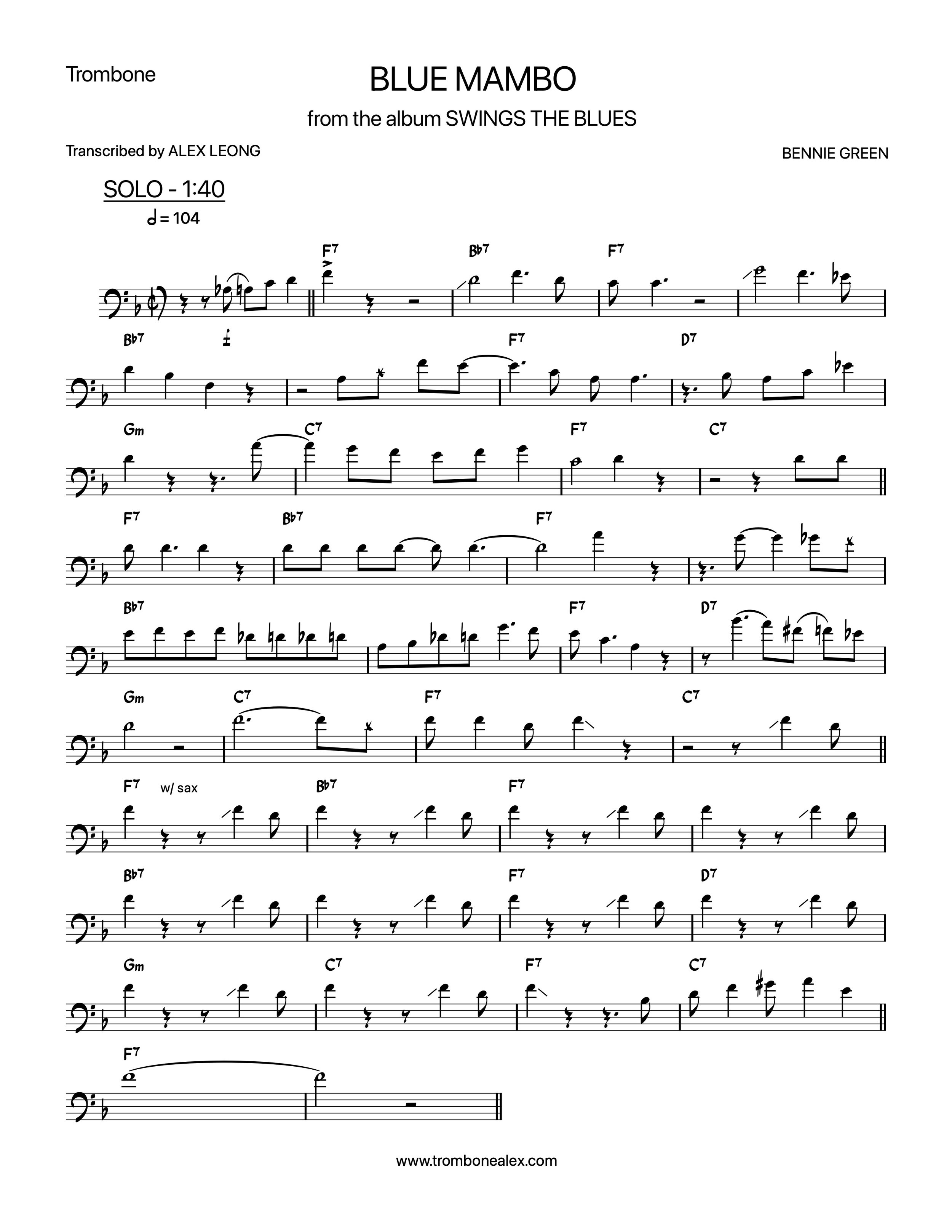
In the third chorus of Green’s trombone solo, he trades a riff with saxophonist Jimmy Forrest in a call and response manner that mimics the shout backgrounds of the big band era. Whether it was an improvisational or a pre-arranged section to launch the piano solo, the use of shout rhythms provides the music and dance with a frenetic energy.
Read More
Recorded in 1959, “Been Walkin’” is perhaps a reaction to the 1954 Miles Davis version of the Richard Carpenter tune “Walkin’,” which itself was most likely a version of the 1950 tune “Gravy” composed by Jimmy Mundey, credited to Carpenter, and recorded by Gene Ammons, as noted by jazz historian Gordon Jack who also points out that trombonist Bennie Green played on that original recording of “Gravy.”
Read More
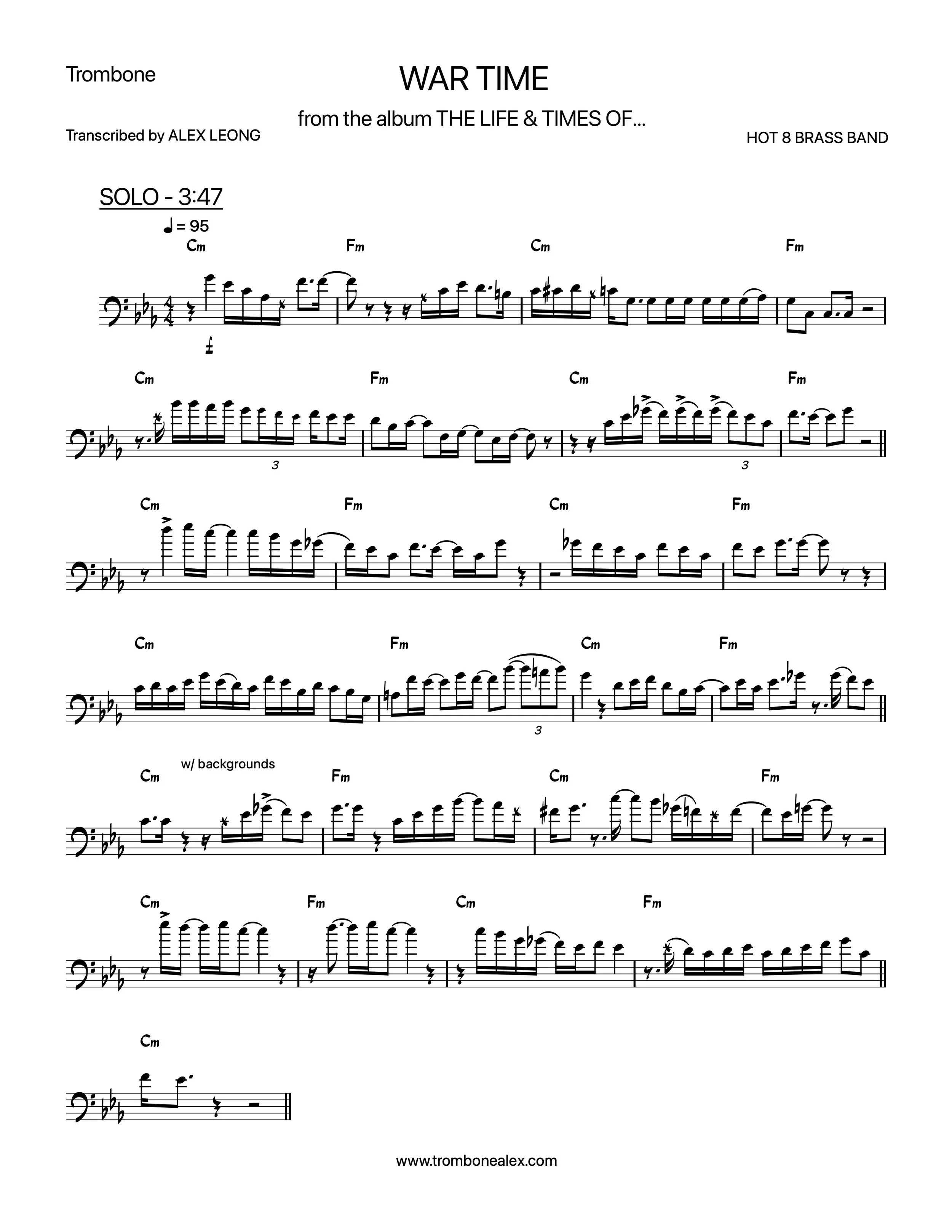
The parade music of New Orleans is rooted in the war chants of Native Americans, specifically the Mardi Gras Indians, combined with the Afro-Cuban rhythms of Congo Square, and presented in the form of European and American military bands.
Read More
In the early 1980’s, the 2 Tone ska band The Specials recorded “Ghost Town” as an examination of the economic strife throughout the United Kingdom. A generation later, the Hot 8 Brass Band adopted the #1 hit song to rebuild the cultural voice of New Orleans, a city washed away by Hurricane Katrina.
Read More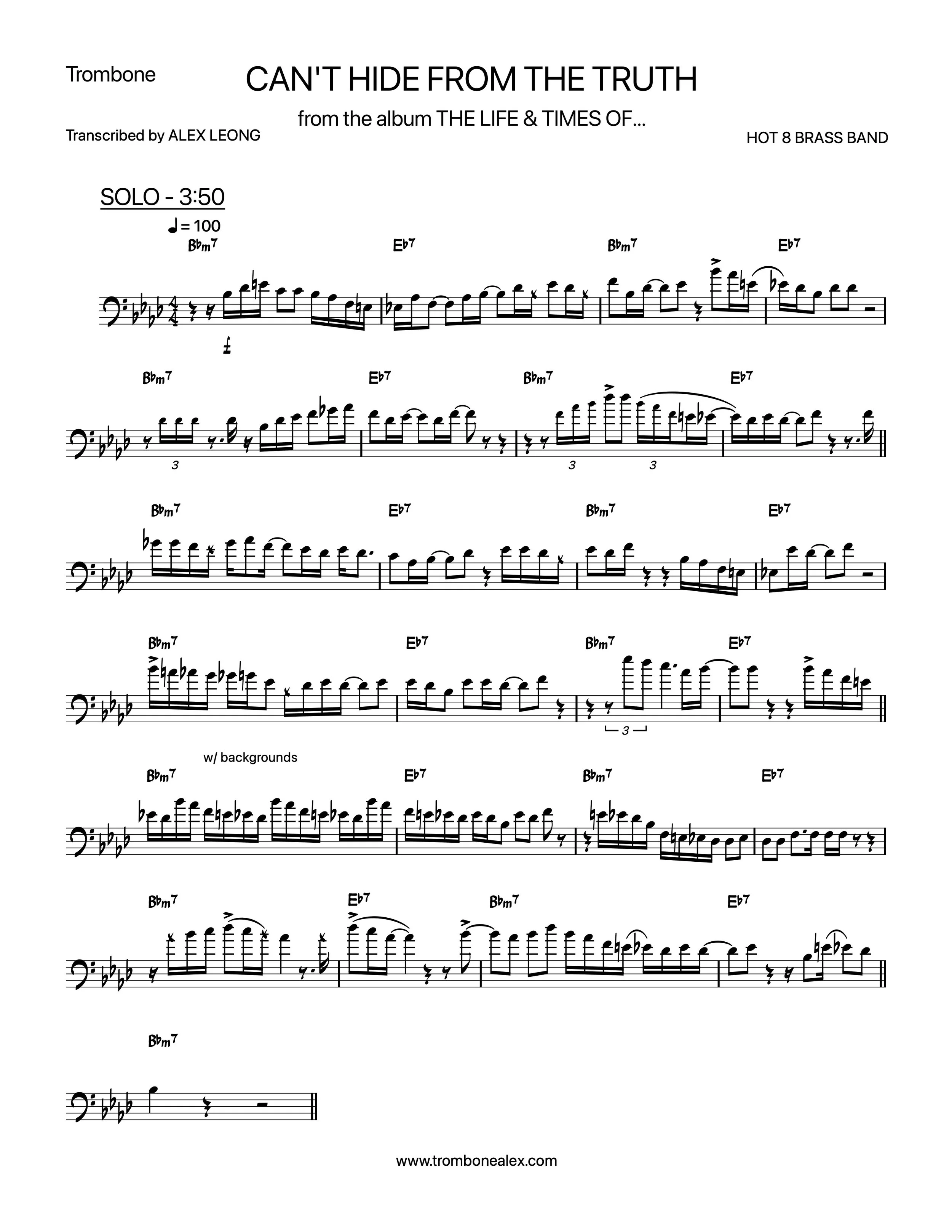
Hot 8 trombonist Joseph “Shotgun Joe” Williams was unarmed when he was killed at the age of 22 by the New Orleans Police Department, but no reasonable explanation has ever been provided.
Read More
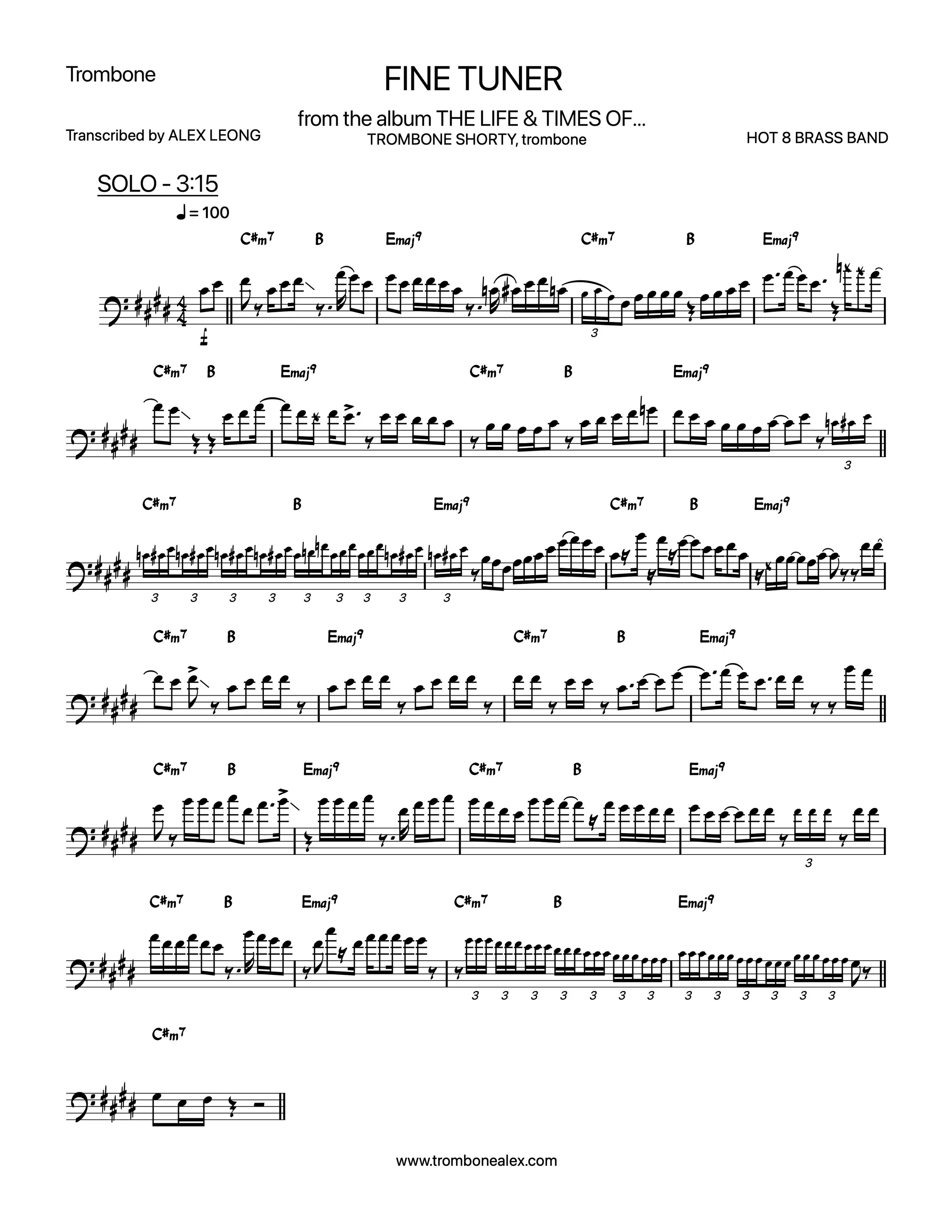
According to trumpeter Raymond Williams’ biography, he was given the nickname “Dr. Rackle” by his mentor Jackie McLean as a title for his group of “Sound Griots,” or musical sages, and has been an integral part of shaping and arranging the Hot 8 sound of the streets into a Grammy nominated work of art, earning himself the second nickname, “The Fine Tuner.”
Read More

From the Kermit Ruffins album, #imsoneworleans
Read More